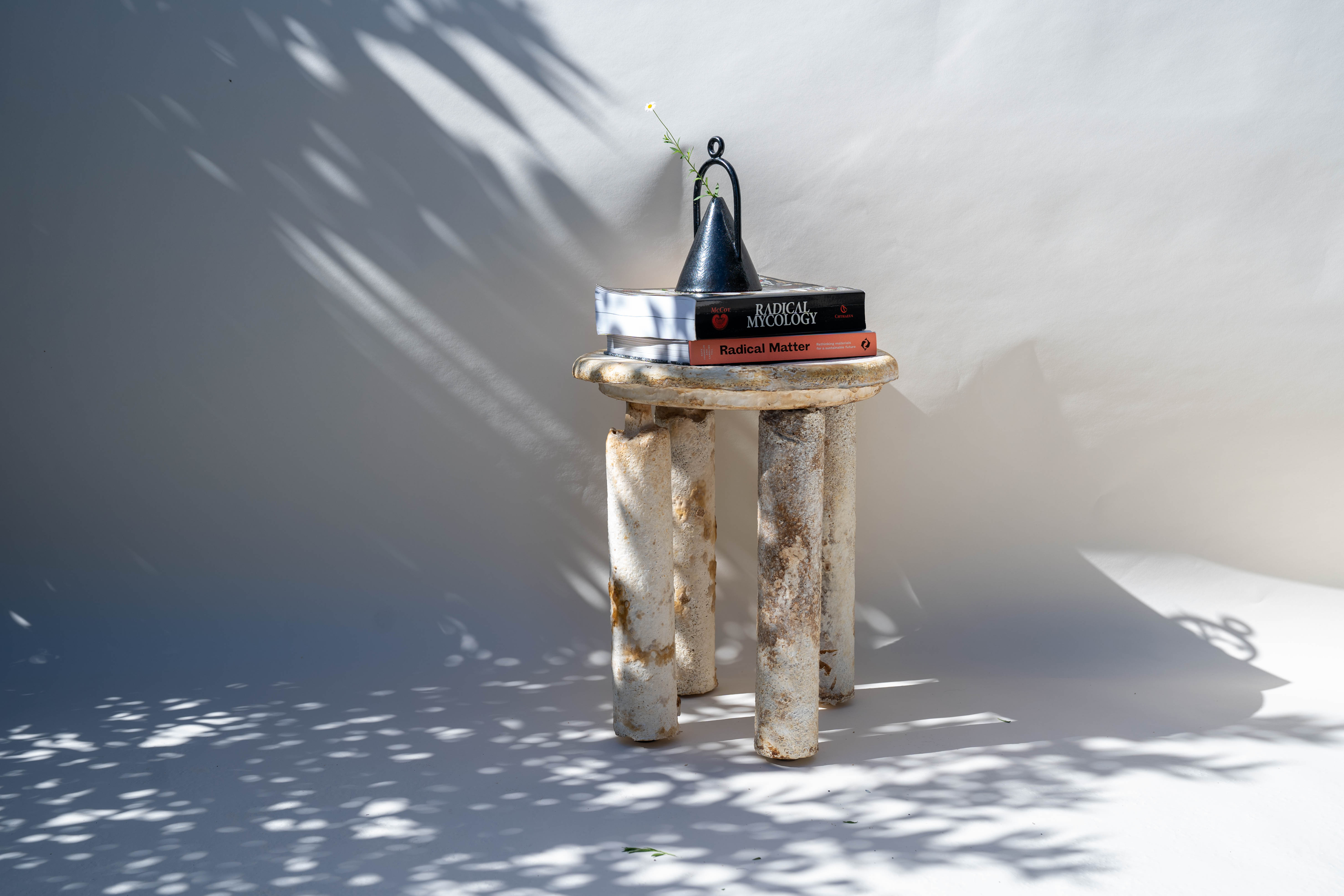
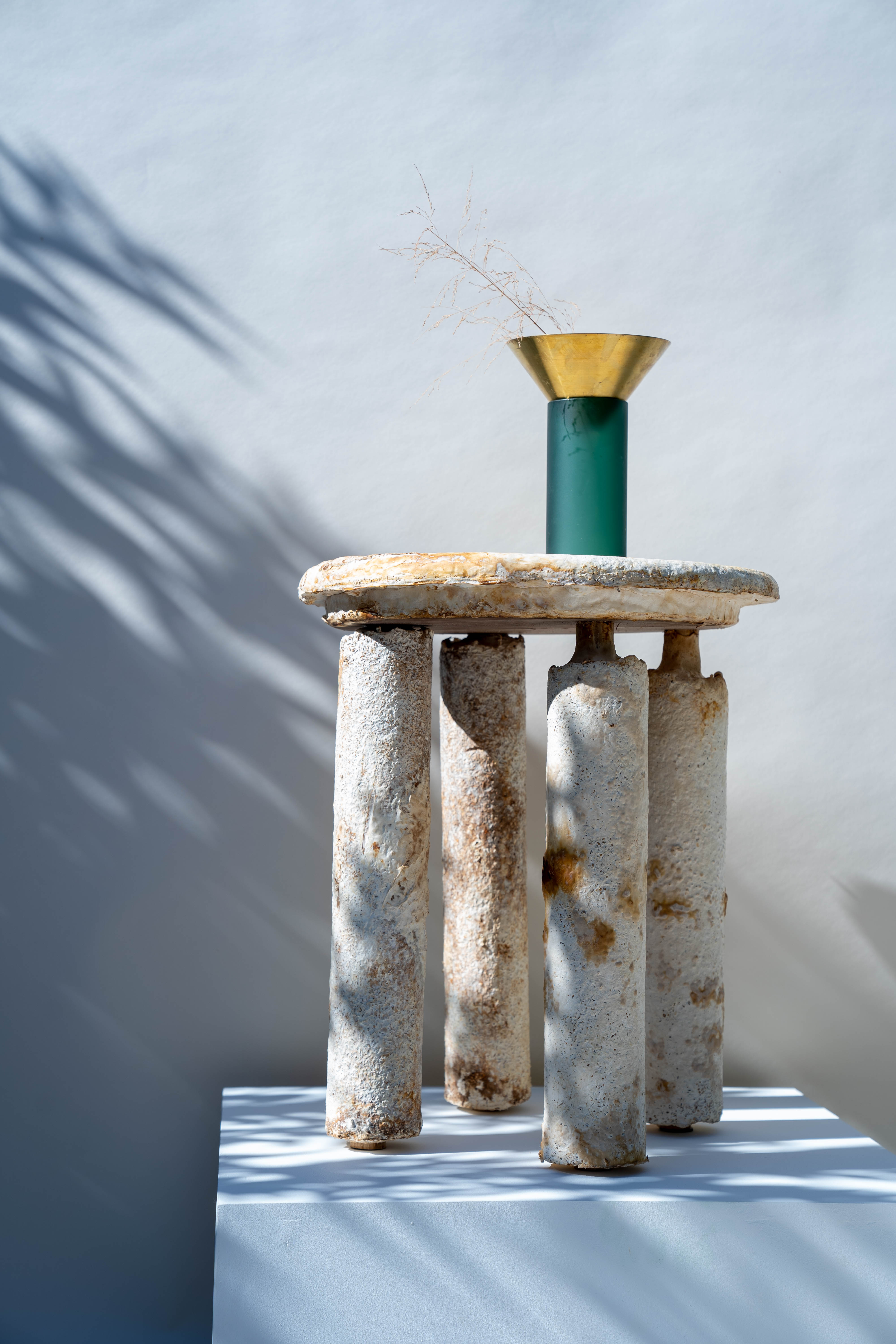
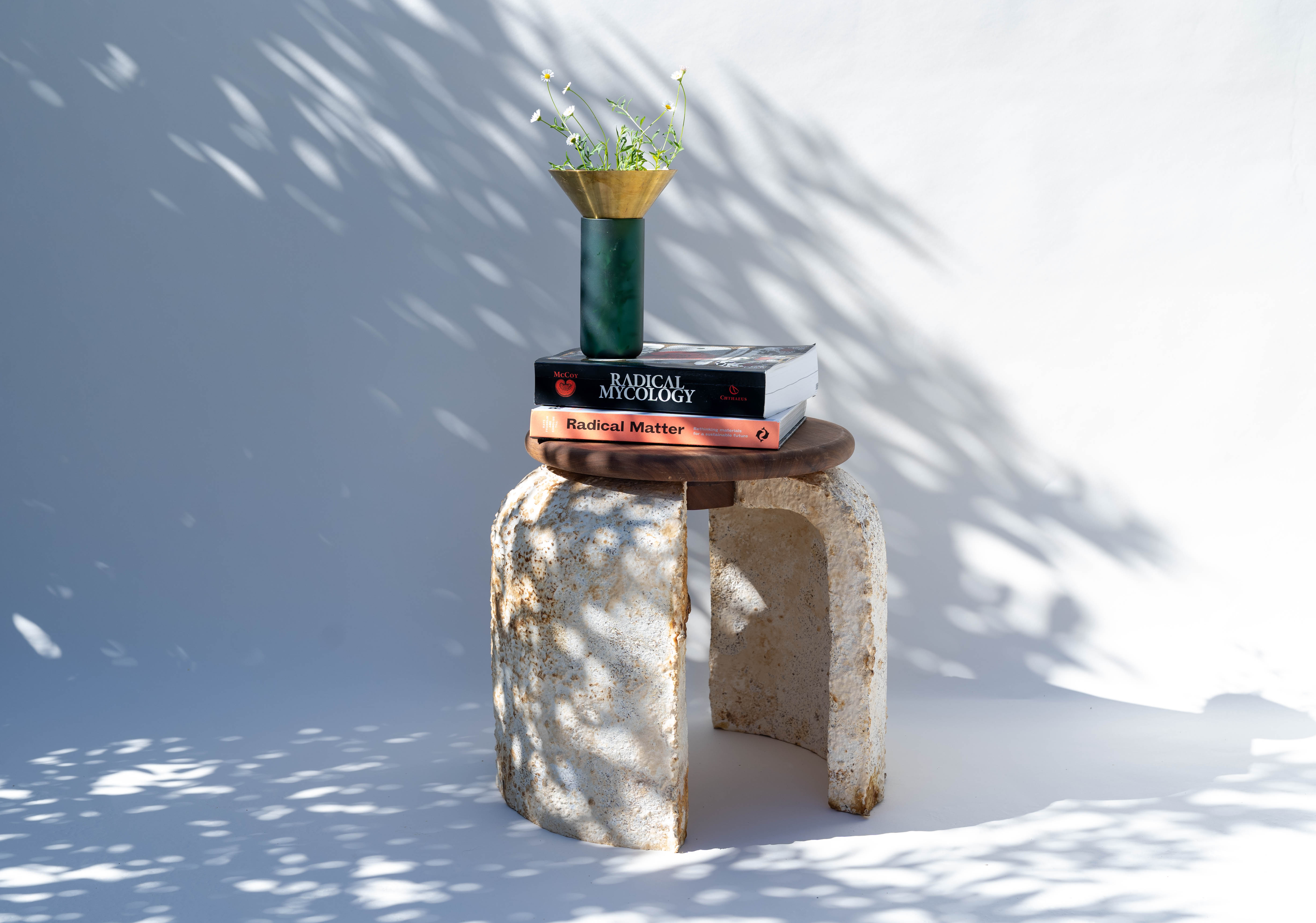
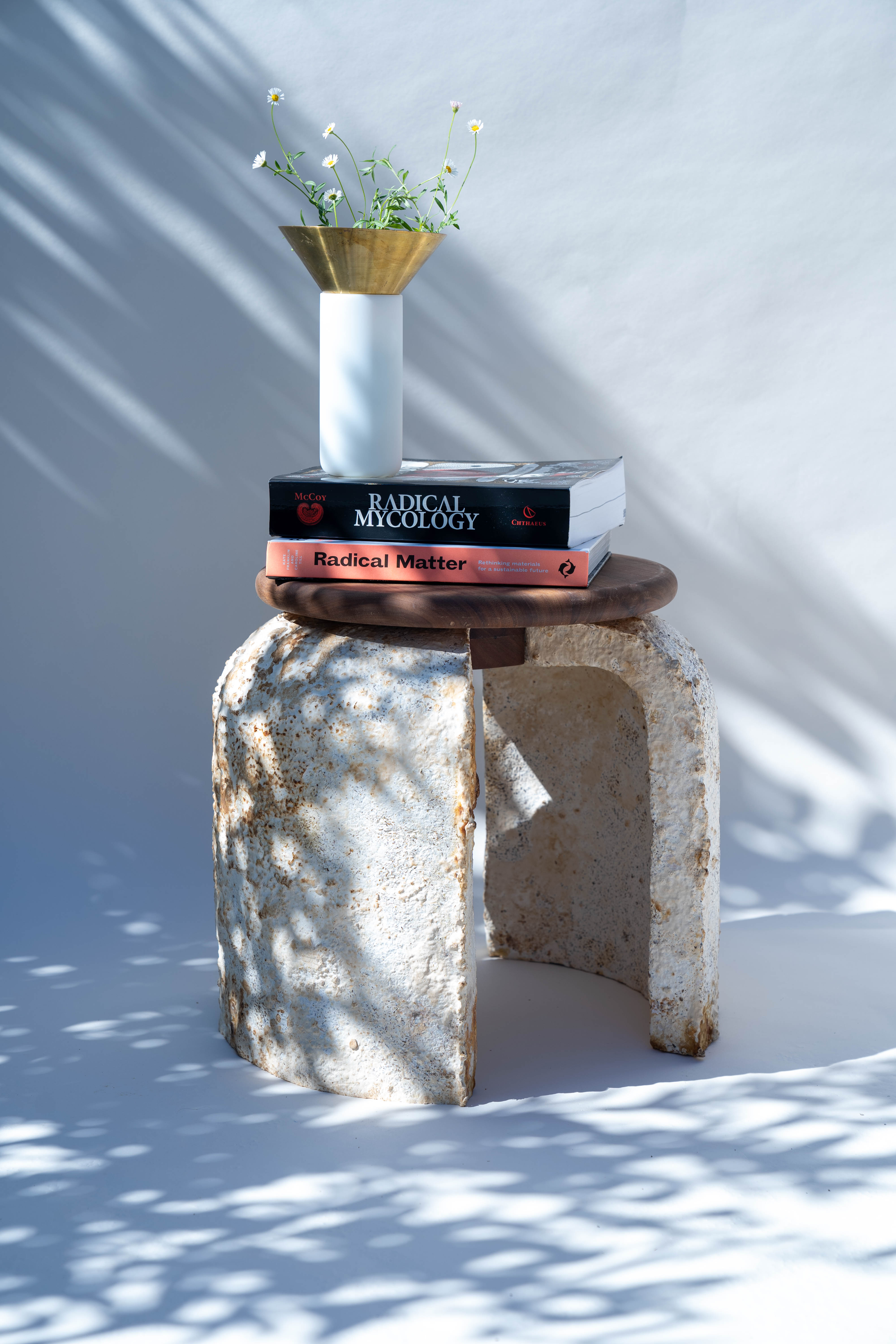
Mushrooms and Temporary Furniture
Year
2021
Typology
Material Research
Info
Beer Stool began less as a furniture project and more as a material investigation. The central question was straightforward, how might industrial waste be reintroduced into the place that produces it in a way that is both useful and engaging.
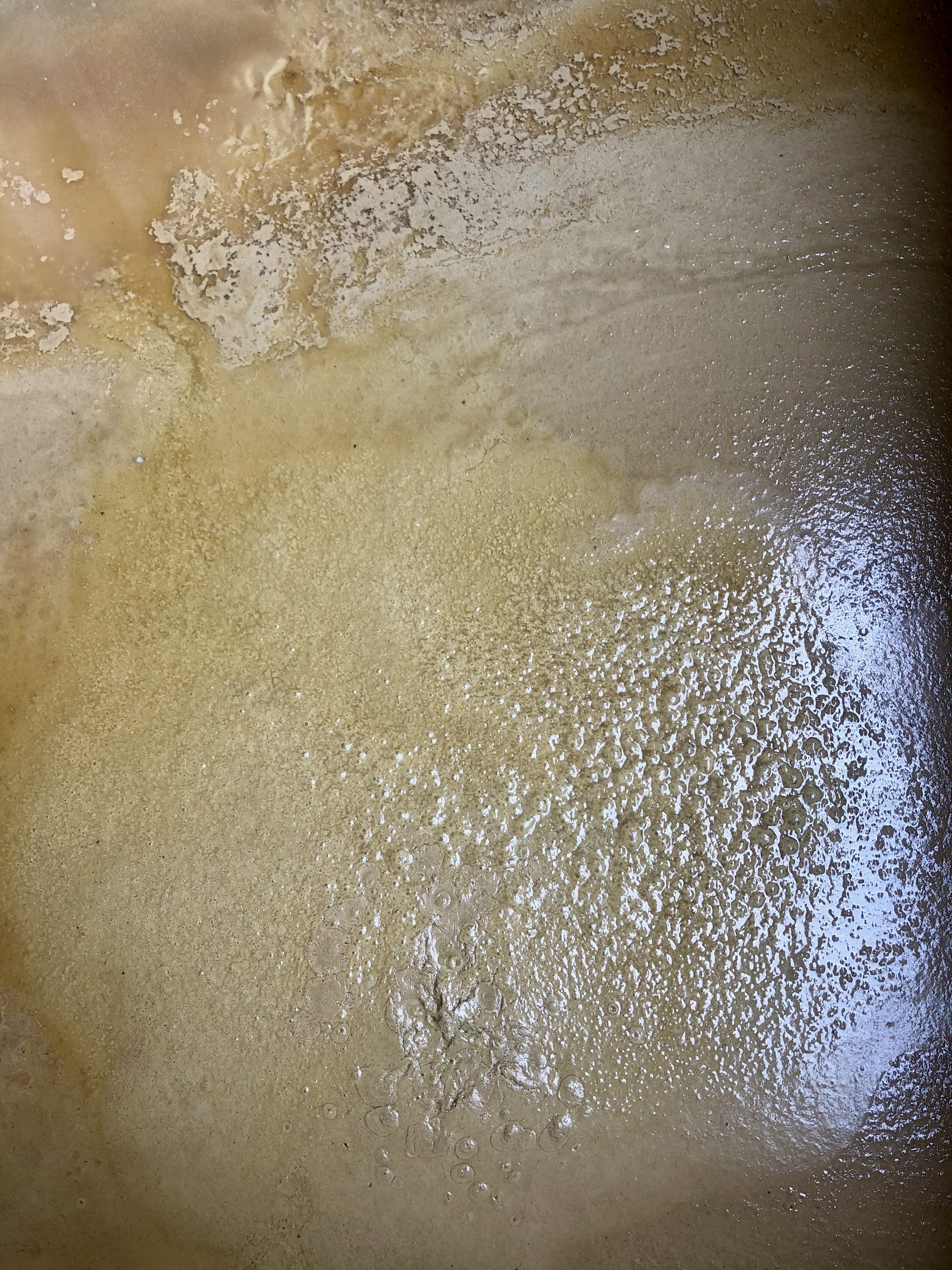
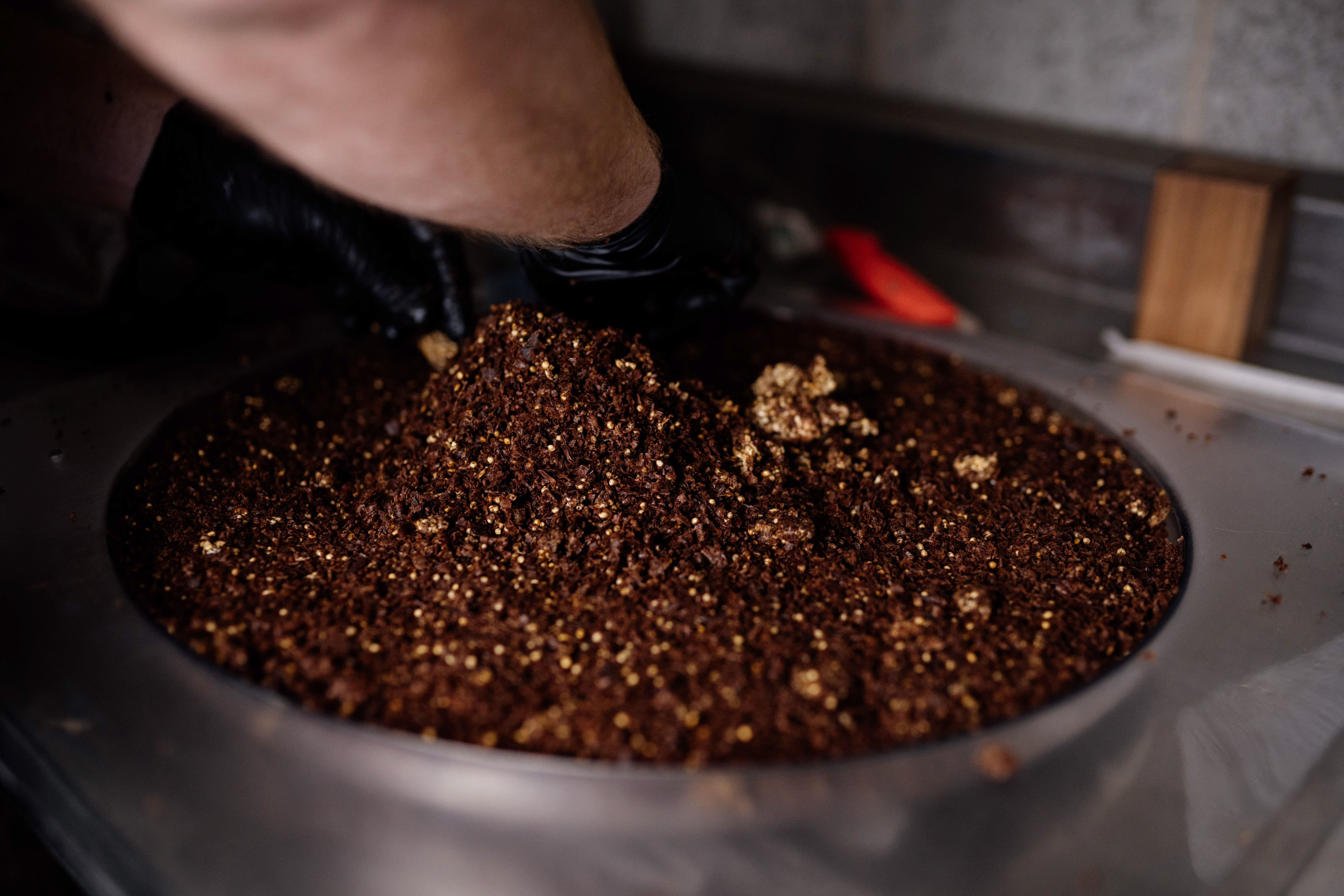
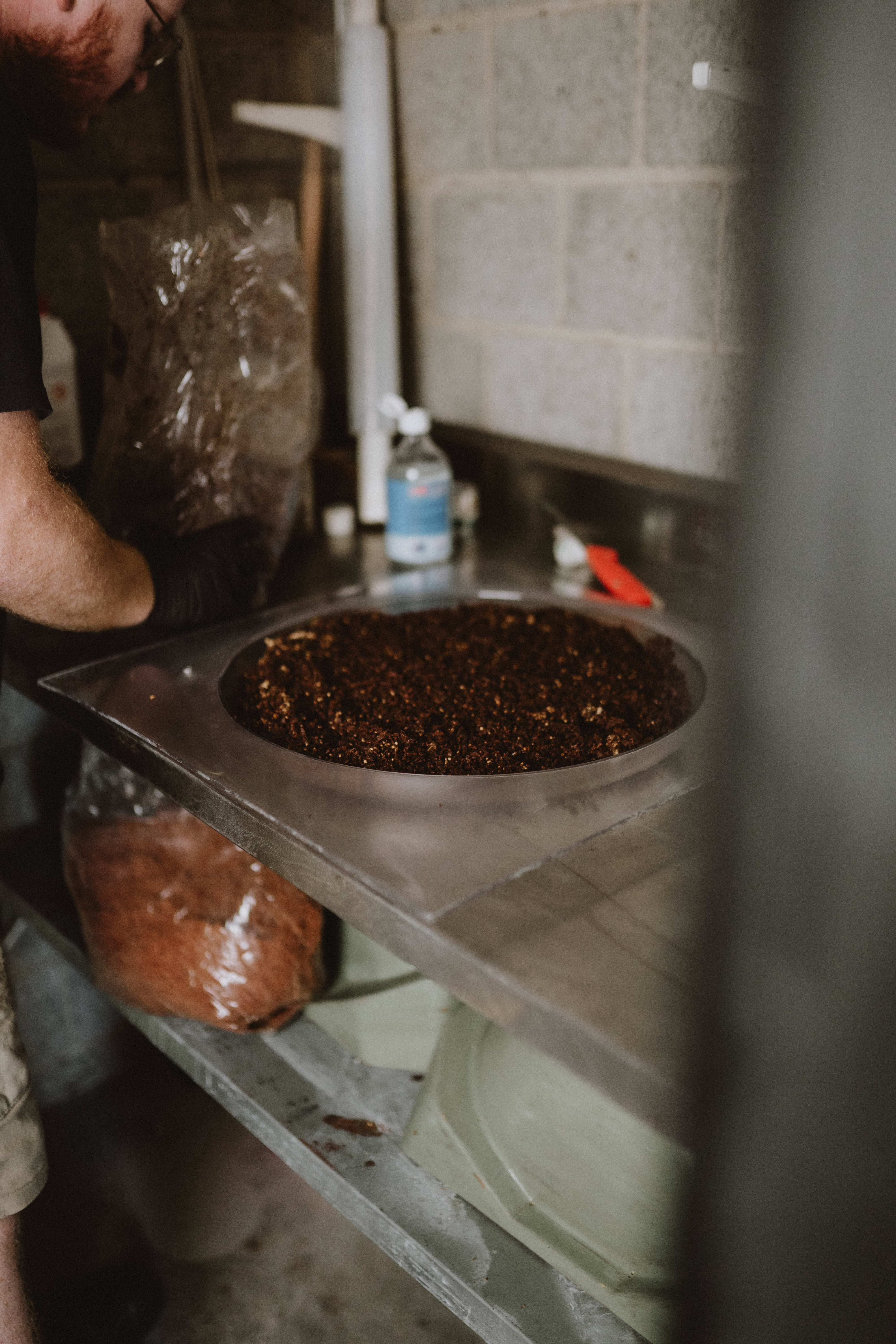
Developed in collaboration with Balter Brewing on the Gold Coast, the project focused on understanding the brewery’s most difficult waste streams. At the time, spent hops presented a particular challenge. While technically organic, the wet and highly odorous by-product was difficult to process efficiently and was commonly left in tubs to dry before disposal. Although the brewery later developed systems to repurpose the material as fertiliser, this waste stream initially became the starting point for the research.
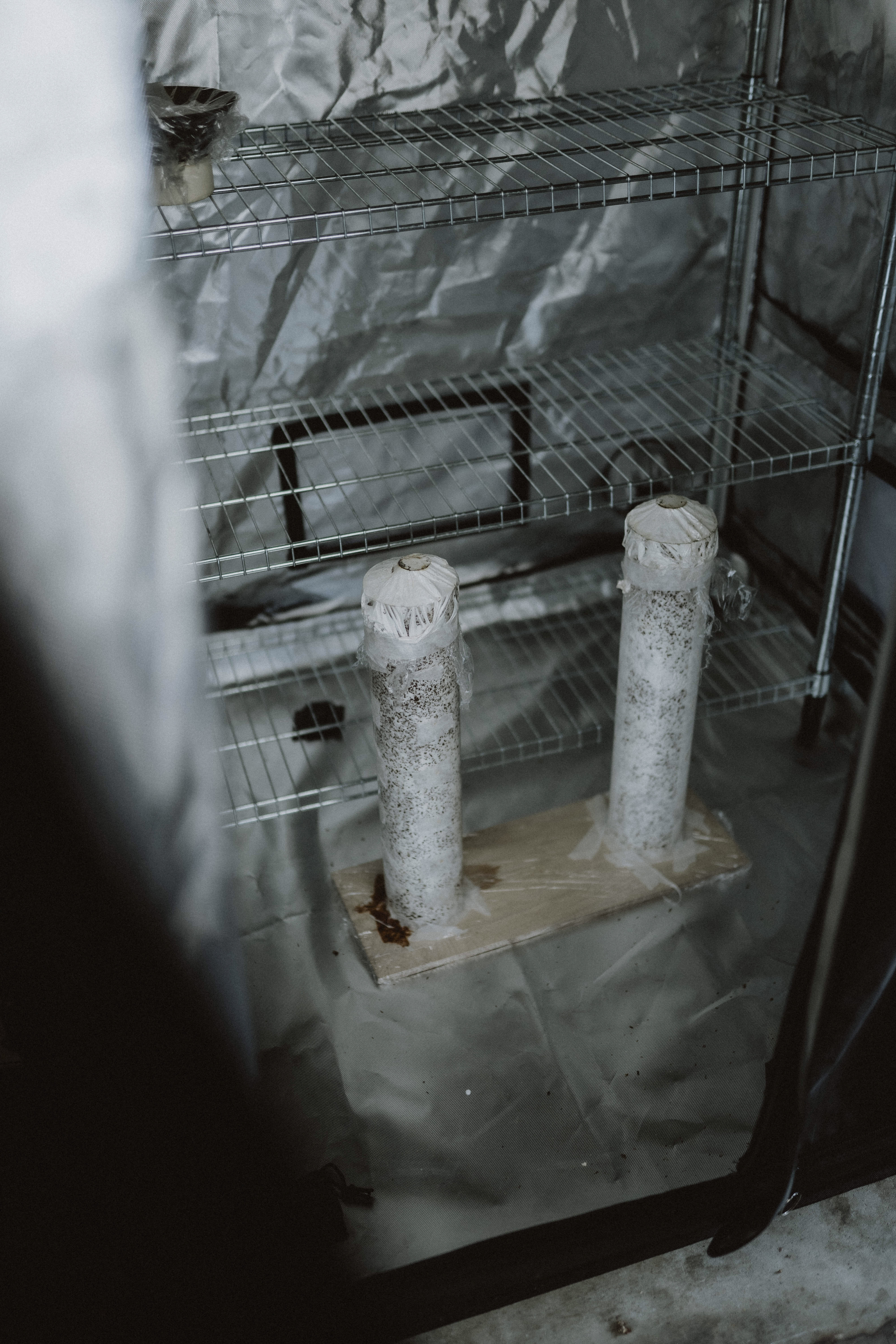
The project explored whether the spent hops could become a viable substrate for furniture production. Early testing involved a range of conventional binders including timber glues, bone glues, and resins, however these approaches ultimately felt at odds with the intention of creating a genuinely biological and compostable material system. This led to the investigation of mycelium, the root network of fungi, as a natural binding agent capable of growing through and consolidating organic waste into a solid mass.
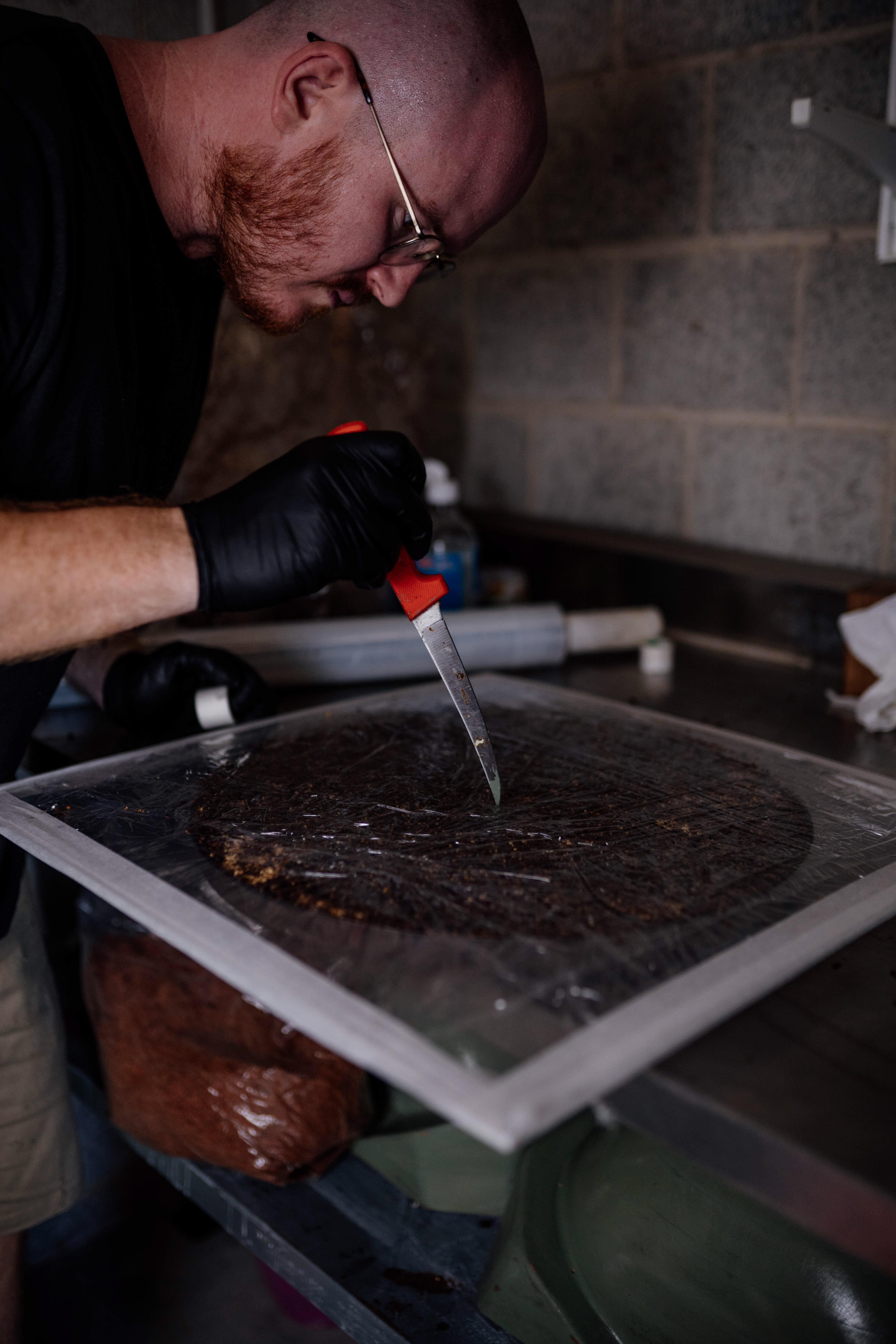
What followed was an extended period of hands-on experimentation undertaken largely over weekends across the course of a year. Research focused on identifying suitable mushroom strains, refining substrate preparation methods, controlling contamination and mould, and developing drying techniques that would stabilise the material without destroying its structural integrity. Equally important was the development of mould systems and environmental conditions that allowed the mycelium to colonise the substrate evenly and consistently.
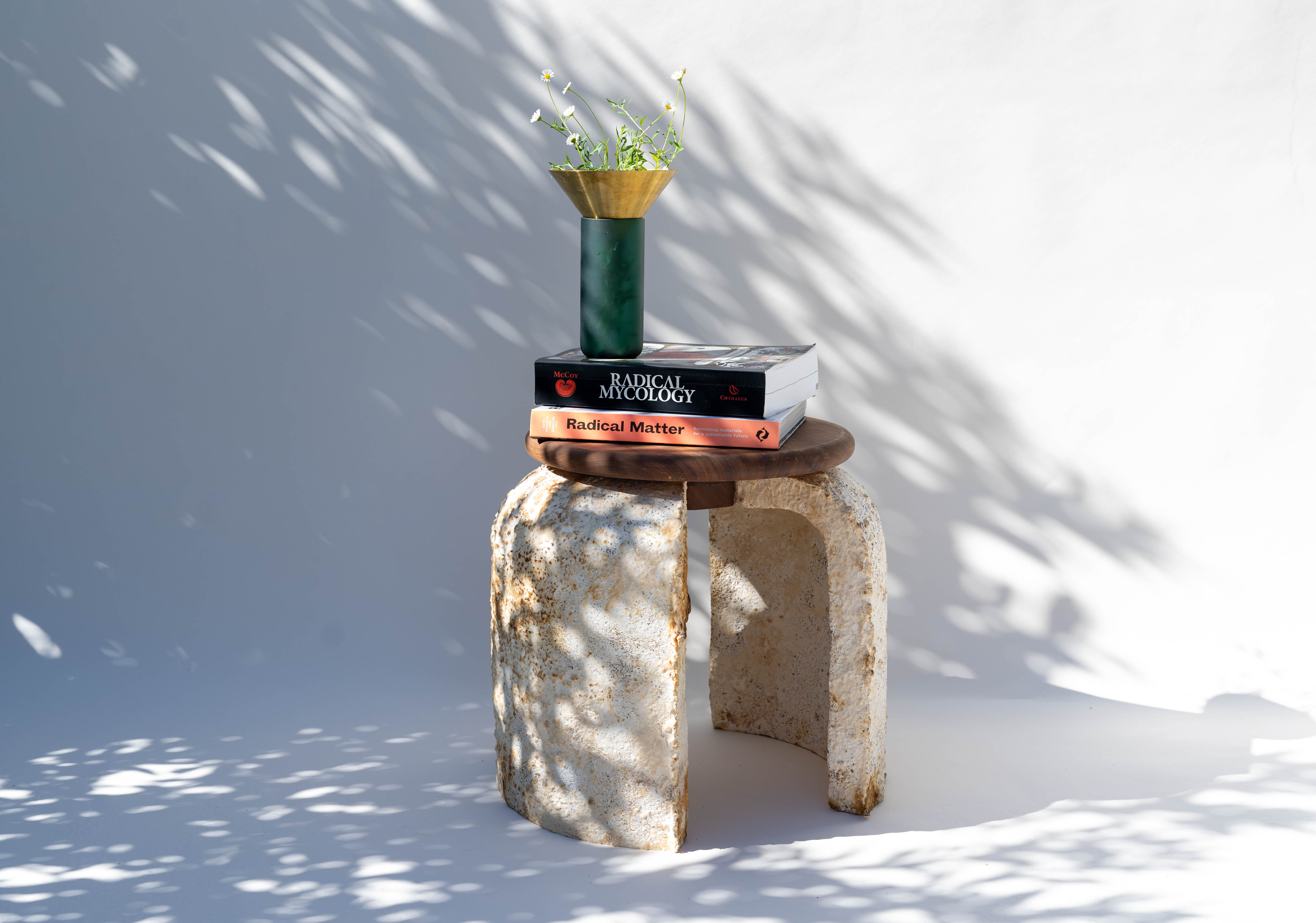
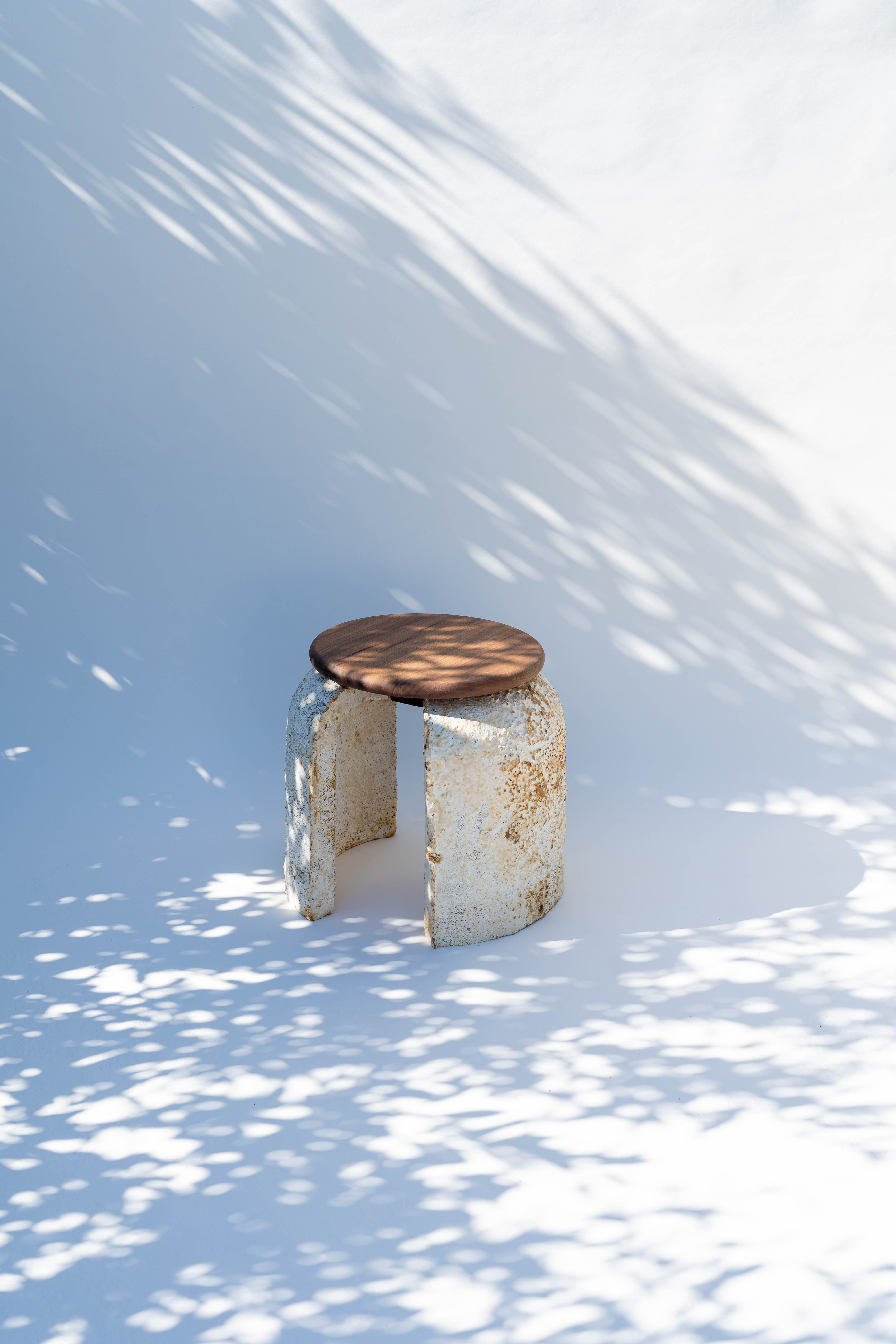
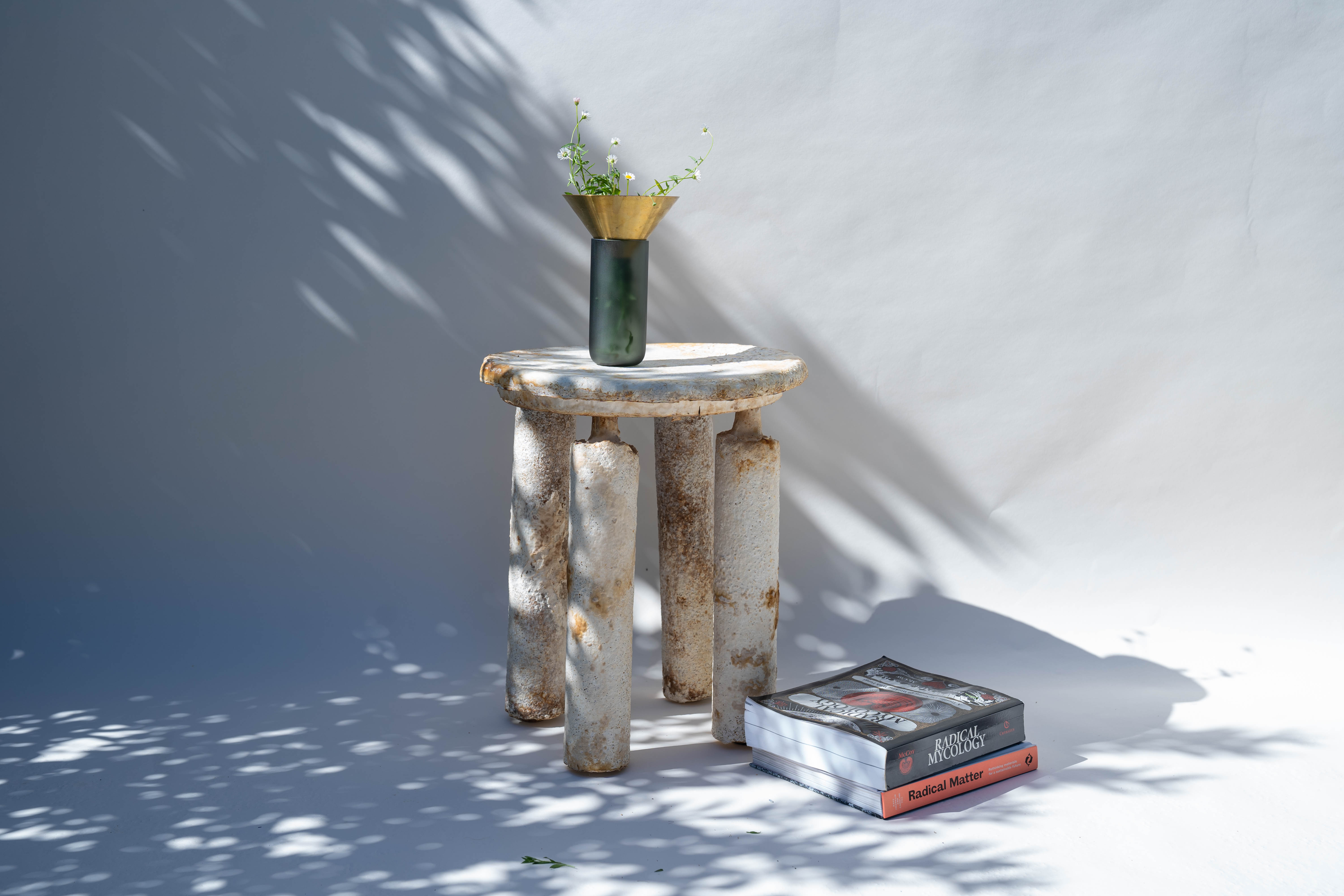
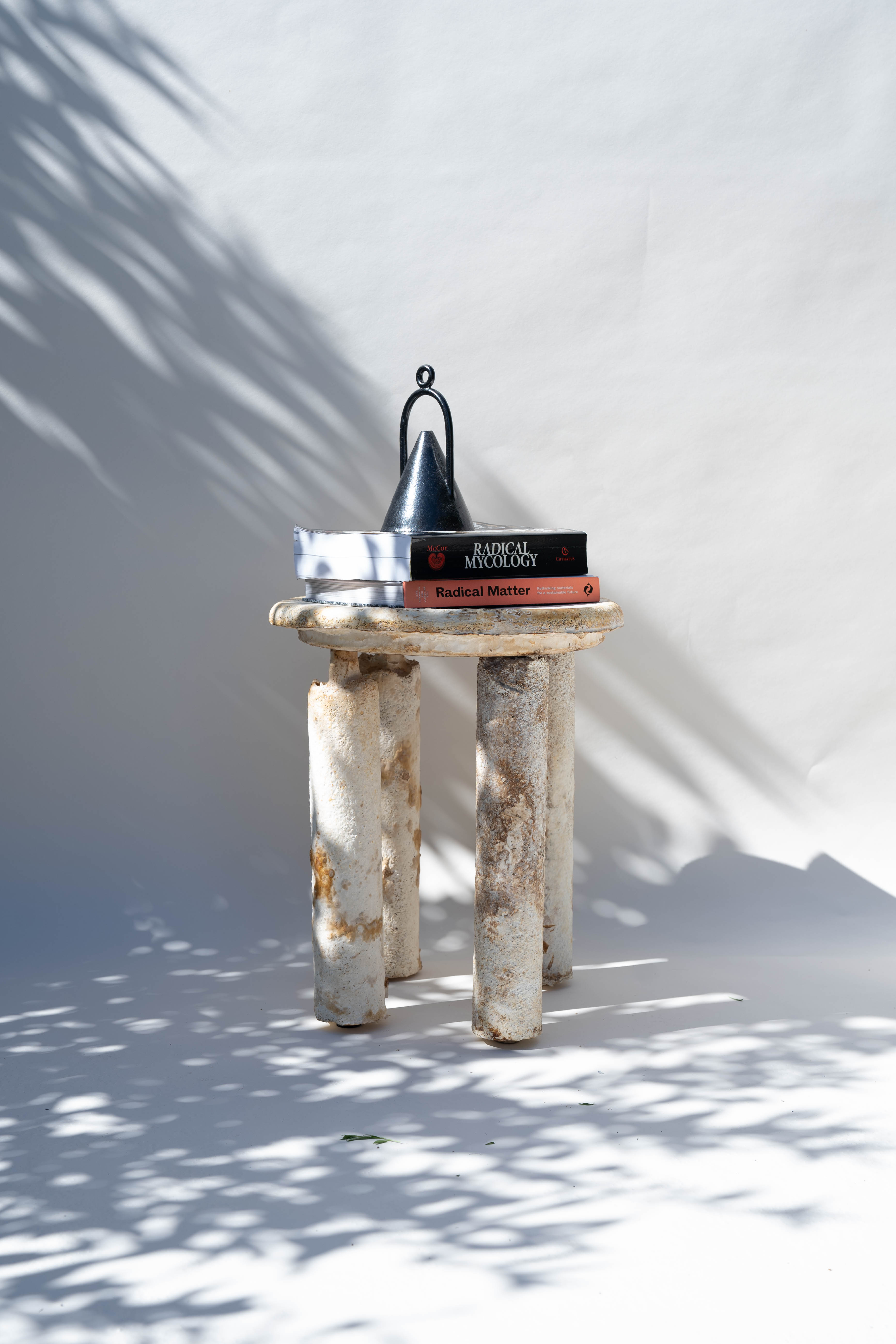
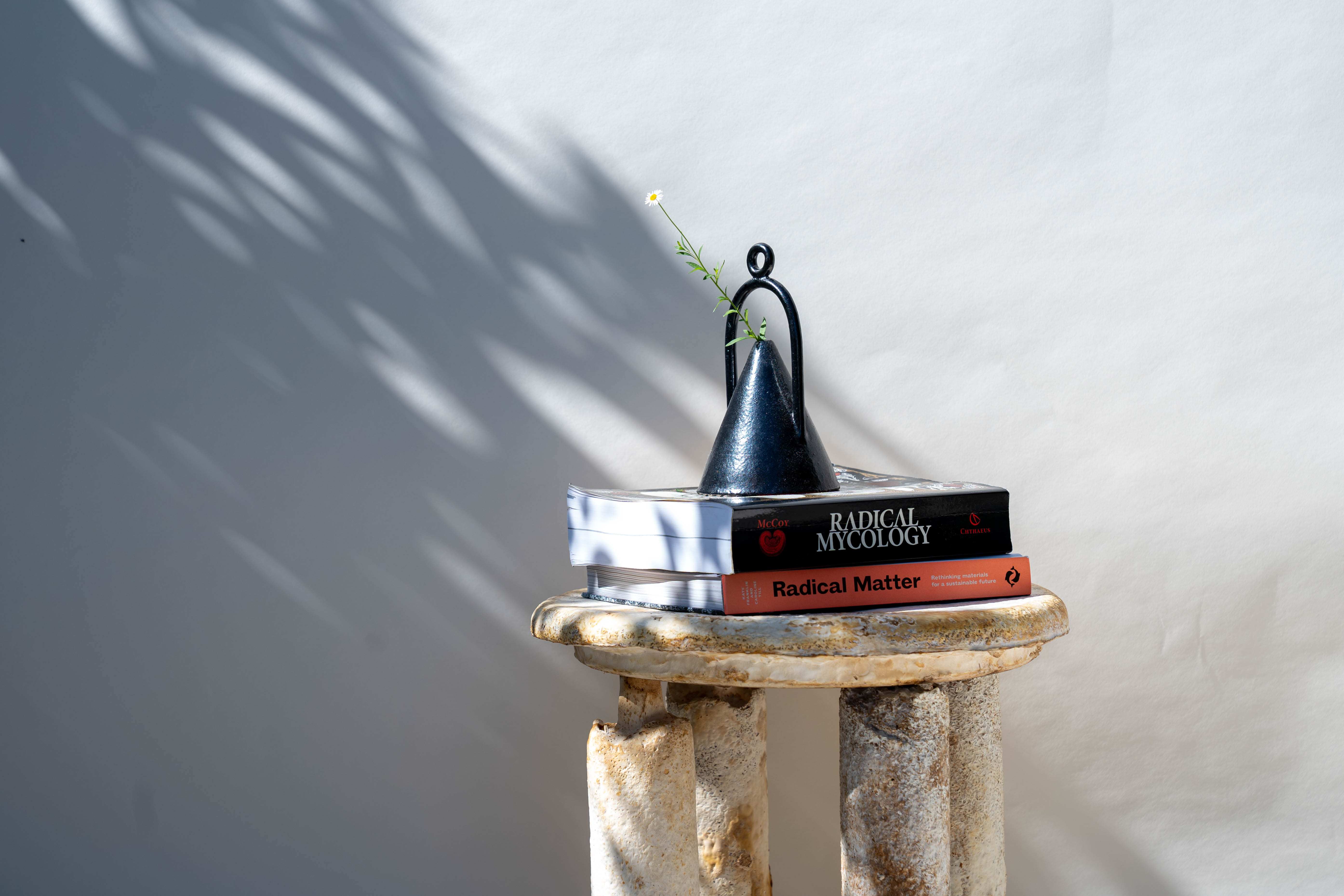
The resulting objects explored different structural possibilities. One stool tested the compressive and cantilevering capacity of pure mycelium with no internal reinforcement, while another incorporated a concealed timber skeleton that the mycelium bonded to organically during growth. Under ideal environmental conditions, one prototype unexpectedly developed a dense outer skin with a leather-like quality, revealing the material potential achievable through carefully controlled cultivation.
While the furniture itself was never intended as a commercial product for the brewery, the project became a broader reflection on industrial by-products, biological fabrication, and the lifecycle of objects. Rather than producing furniture intended to exist indefinitely, the work proposed an alternative model, objects designed with a finite lifespan that could eventually be broken down, composted, and reabsorbed into the environment from which they originated.