Design

16 July 2025

Kit of Parts

From a Kit of Parts to a Kit of Possibilities

Introduction

For over a century, modular design has been imagined as a way to build faster, cheaper, and more efficiently. From early prefabricated cottages shipped across oceans to today’s factory-built homes, the language of modularity has too often been reduced to one idea: the kit of parts. Standardisation has been treated as an end in itself — components repeated endlessly to save time and cost.

But what if modular design was not just about parts, but about possibilities? What if prefabrication could be a tool for diversity, adaptability, and care, not just efficiency?

At FLEK, we believe the future of modular architecture lies not in producing boxes, but in producing systems — systems that allow variation, encourage local adaptation, and invite play.

1. The History of the Kit of Parts

The dream of modular building is not new. Walter Gropius’ Bauhaus experiments, Jean Prouvé’s prefabricated houses, and the Case Study Houses of mid-century America all promised efficiency through parts. In Australia, Robin Boyd explored prefabrication as a way to address housing shortages while keeping architecture accessible.

Each of these movements treated modularity as a problem of rationalisation: reduce complexity, repeat elements, lower cost. The result was a lineage of systems where the whole was often less than the sum of its parts.

Yet within these histories lie clues of another path. Prouvé’s metal panels were endlessly adjustable. The Case Study Houses, though prototypical, offered rich spatial variation. Modularity was never just about efficiency; it was also about imagination.

2. The Limit of Efficiency

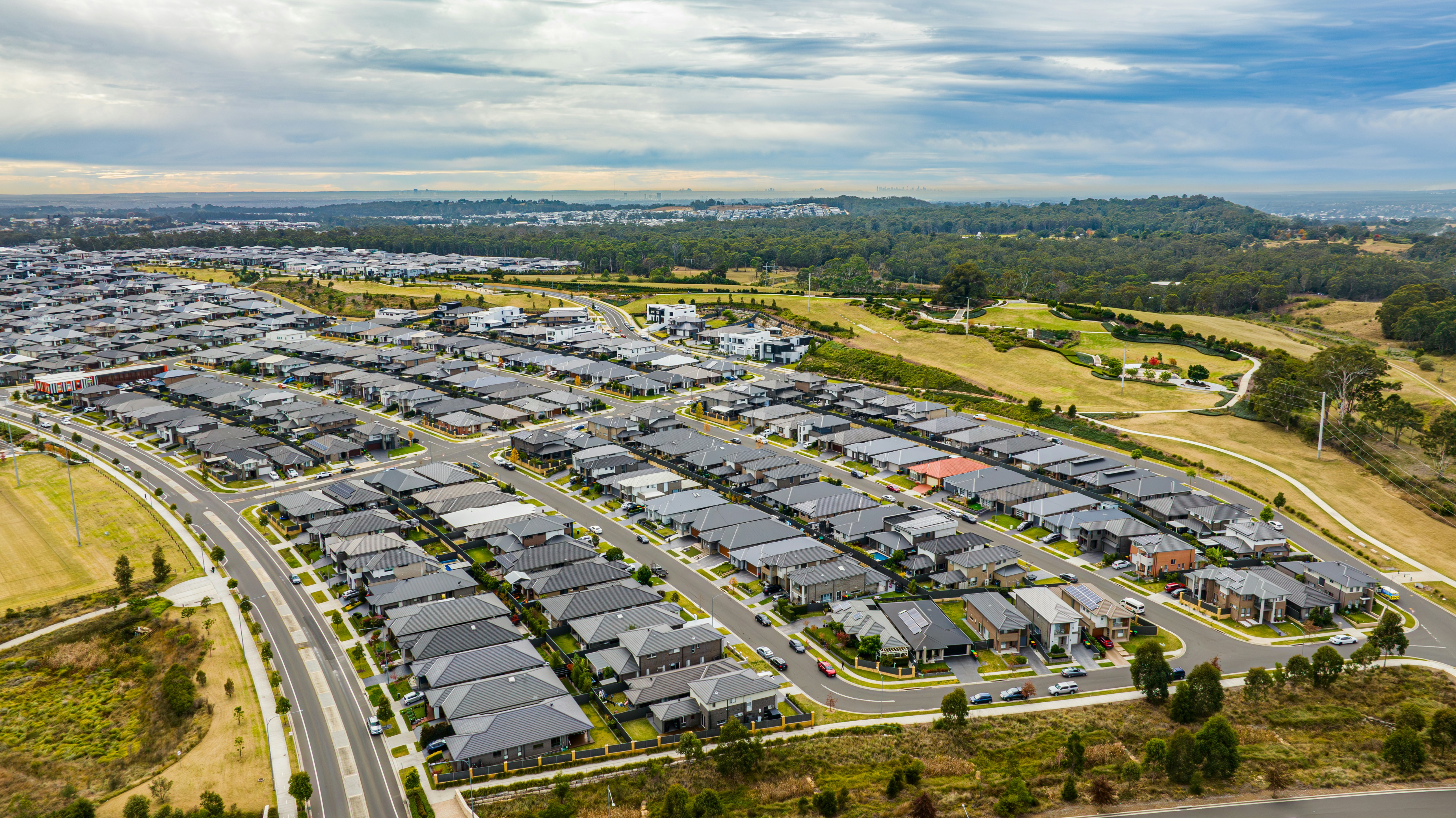
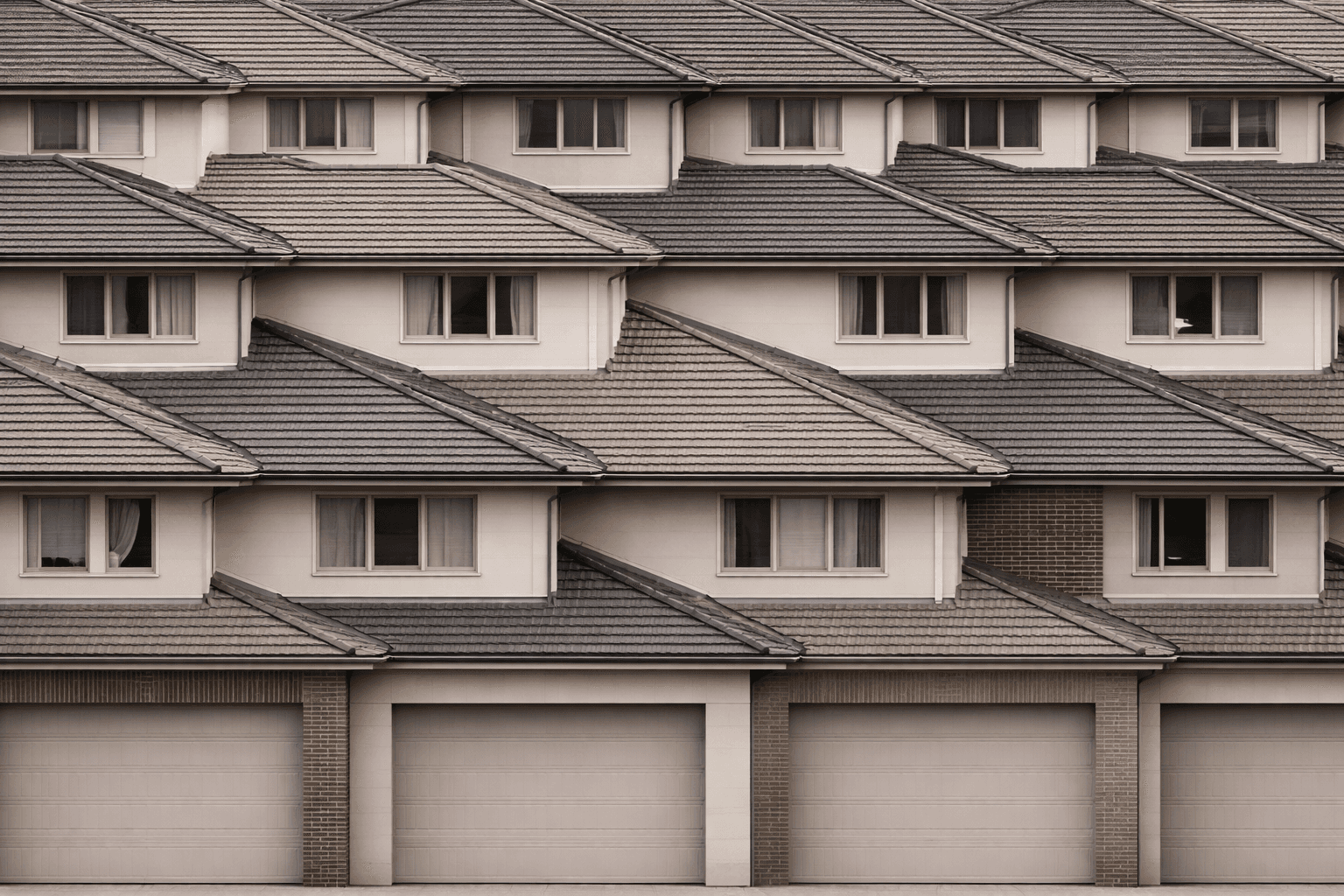
Today, modular construction is often trapped in a narrative of efficiency. Developers and governments champion prefabrication as a way to deliver more housing at lower cost. Factories produce endless units — often indistinguishable, placeless, and lifeless.

This is the risk of the kit of parts: that it flattens architecture into repetition. Homes become products, stripped of atmosphere, memory, or connection to place.

As Kenneth Frampton warned in his call for Critical Regionalism, architecture that ignores context risks becoming generic, rootless, and interchangeable. In modular housing, this danger is amplified.

3. From Parts to Possibilities

What would it mean to rethink modularity as a kit of possibilities instead?

In a kit of possibilities, the component is not an end but a beginning. A wall panel is not just one module in a grid, but something that can be configured, tilted, or combined to create different atmospheres. A courtyard is not a leftover void, but a central generator of life. Roofs are not always flat; they rise, fold, and pop up to admit light.

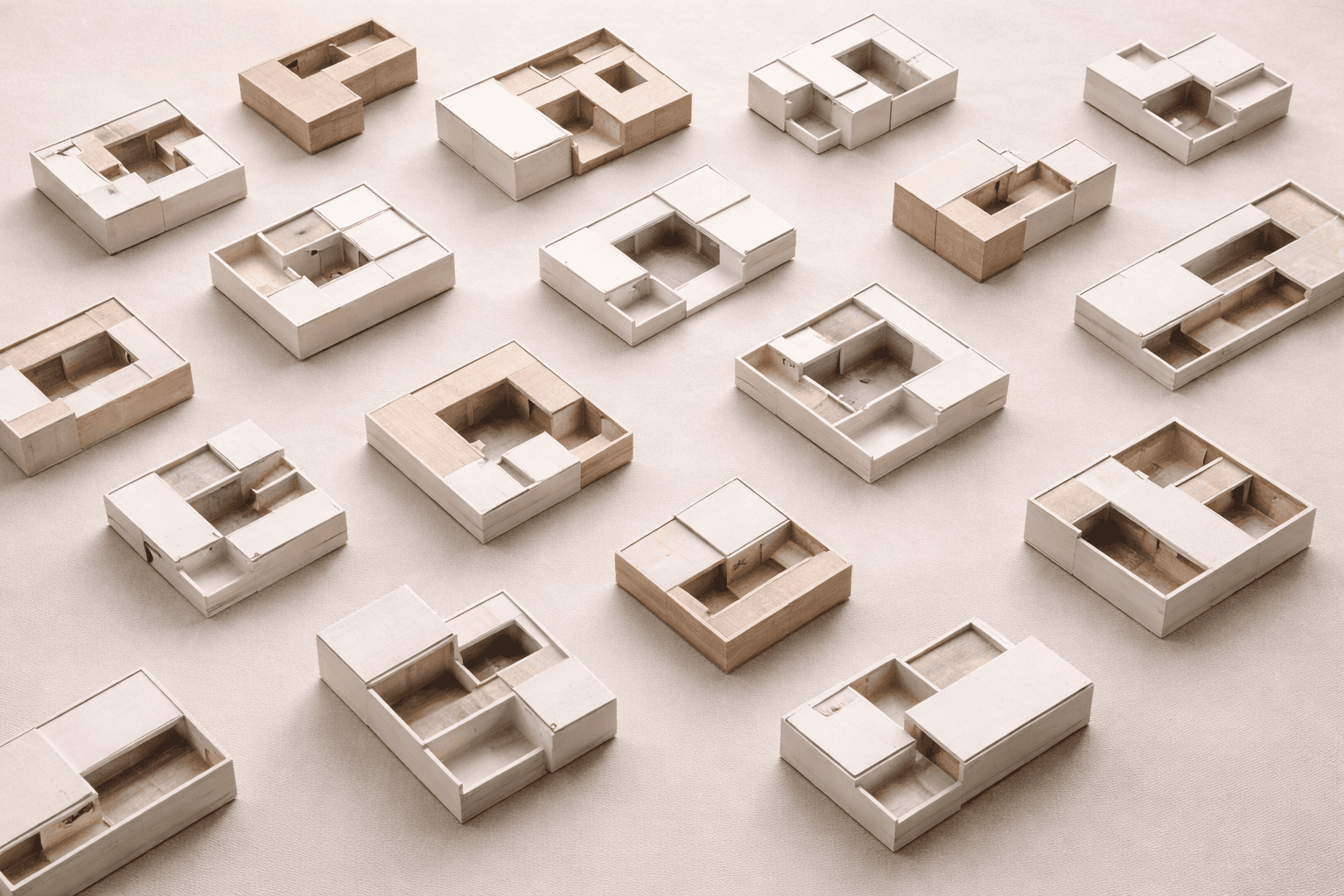
This is the kind of modularity explored in our own studio experiments — from the blue cardboard massing studies to AI-generated iterations. In these models, we tested courtyards, plus-plans, circular voids, and long bars. Some forms were playful, some strange, some familiar. Together, they showed that modular systems do not need to be monotonous. They can be frameworks for creativity.

4. The Role of Typologies

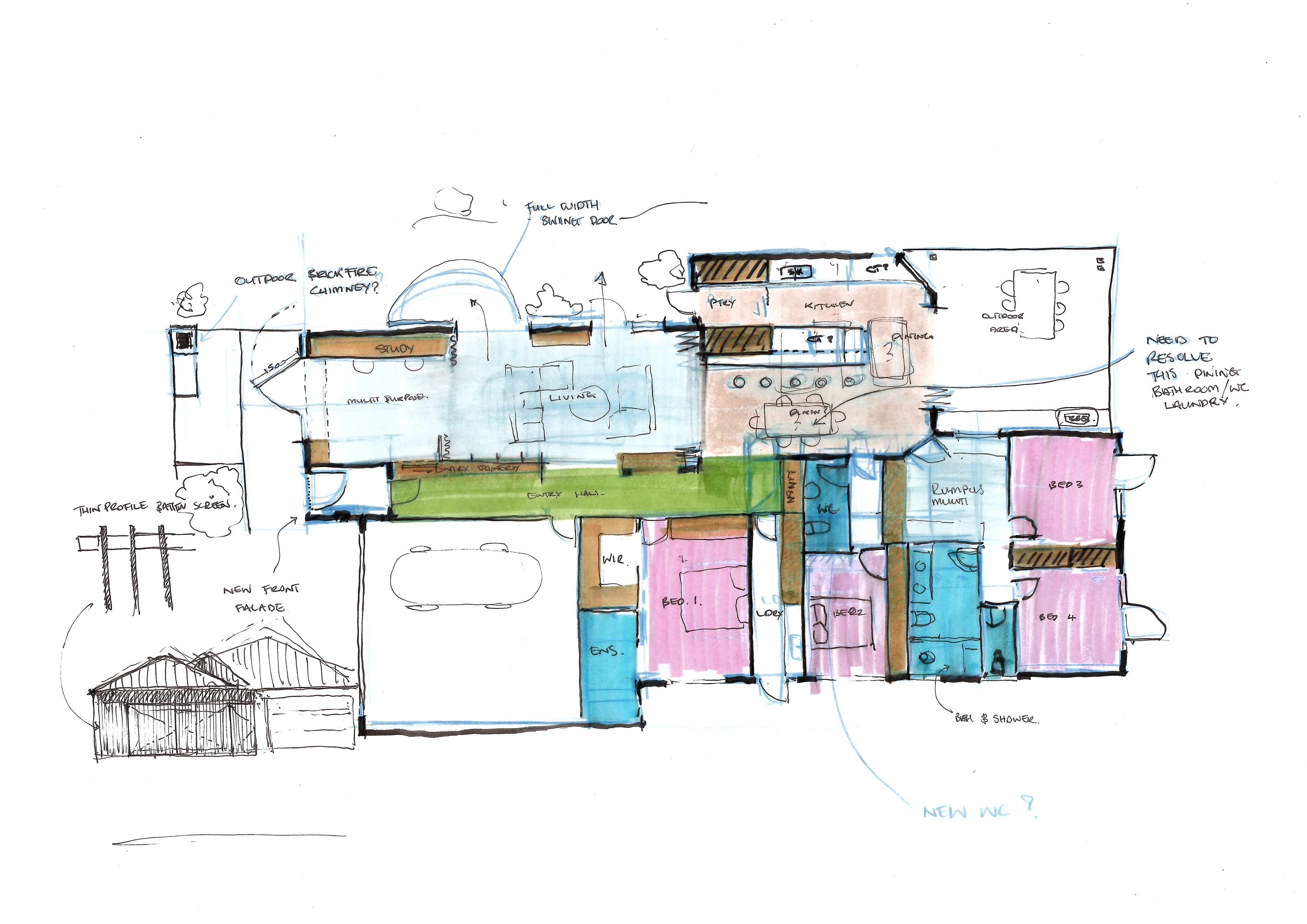
Typology is central to this shift. The courtyard, the bar, the L-shape, the plus-plan — these are not arbitrary gestures, but timeless architectural forms that adapt to context. When combined with modular systems, they become engines of variation.

Consider the courtyard house. In a modular system, a courtyard can anchor multiple dwellings, offering privacy and light in dense contexts. Or take the plus-plan: when modularised, it becomes a tool to stitch together four wings around a central gathering point. Even a simple bar can be stretched, bent, or split, creating different site responses.

The kit of possibilities begins not with parts, but with typologies. It treats modules not as bricks to be stacked, but as elements in a larger architectural language.

5. Atmosphere and Material

The philosopher Juhani Pallasmaa reminds us that architecture is felt through the body — the grain of timber, the coolness of concrete, the shadow cast at dusk. Modular systems often strip this away, replacing atmosphere with flatness.

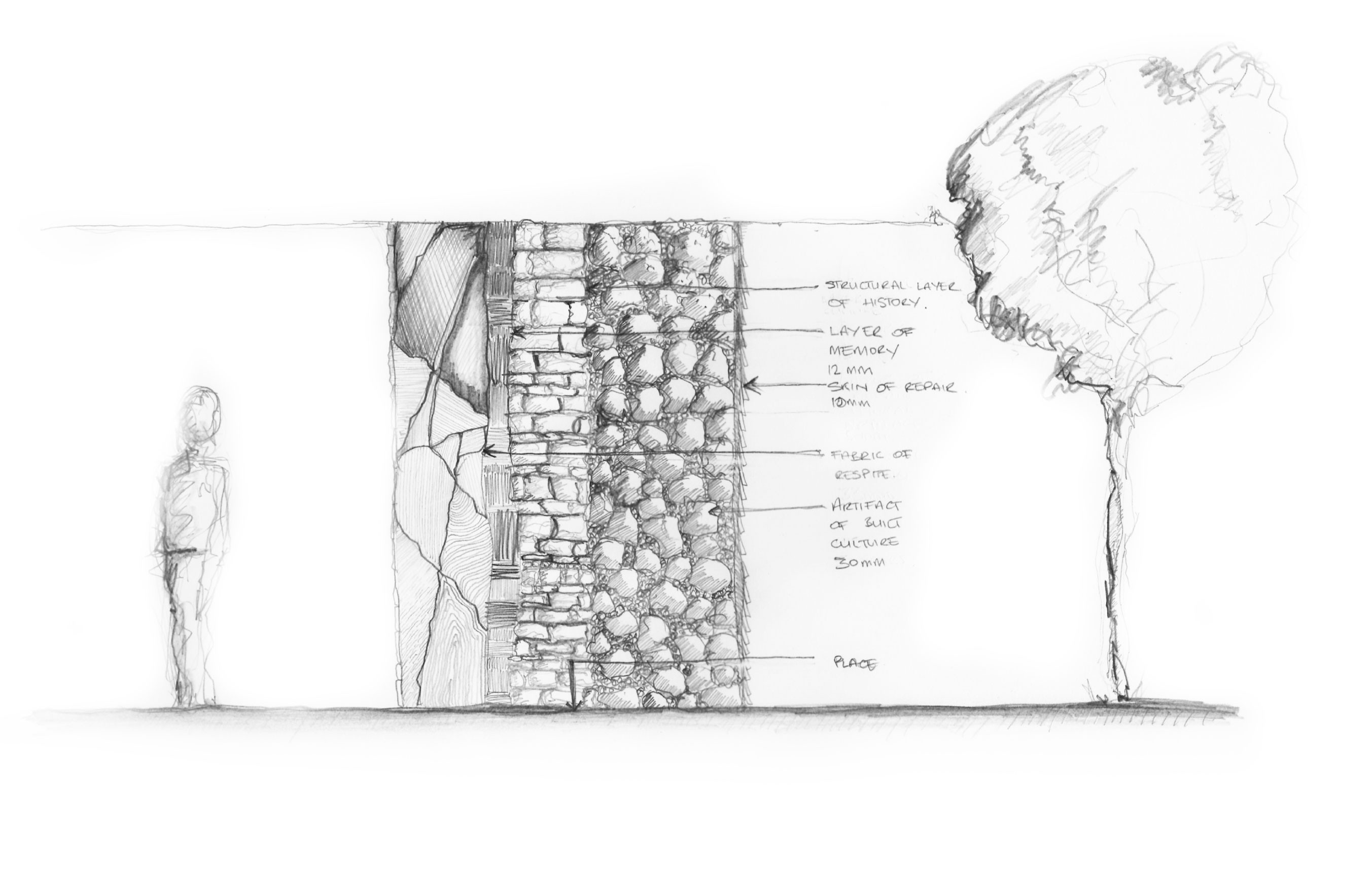
But in a kit of possibilities, materials matter. Prefabricated elements can be textured, crafted, and responsive. Corrugated sheets, timber battens, or raw concrete panels can be reassembled in ways that feel contextual and human. Our own models experimented with corrugated roof textures, skylights, and clerestories — reminders that modular can still carry atmosphere.

6. The Role of Technology

This is where technology and AI enter. Generative tools can now produce hundreds of iterations of modular layouts, courtyards, and massings in seconds. At first glance, this seems to risk repeating the mistakes of the kit of parts — endless repetition without meaning.

But the real power lies in curation. The architect’s role is not to generate but to select — to interpret which iteration belongs, which typology suits the site, which arrangement carries care.

AI turns the kit of parts into a field of possibilities. The human hand transforms it into architecture.

7. Modularity as Care

Susannah Hagan writes that architecture is a form of care — care for the environment, for the city, for future generations. When modularity is treated as a commodity, this care is lost. But when it is treated as a possibility, it can become profoundly ethical.

A modular building can be demountable, leaving little trace on the land. It can be adaptable, expanding or contracting with a family’s needs. It can be made from renewable materials, reducing embodied carbon.

This is modularity not as product but as responsibility.

8. Toward a Future of Possibilities

The future of modular housing is not in producing endless identical units. It is in producing systems that invite variation, care, and imagination. Systems where a single module can generate a dozen different homes. Systems where architecture is light, contextual, and human.

At FLEK, our own experiments — from physical models to AI iterations — are steps toward this vision. They are playful, imperfect, and speculative. But they point to a future where modular design is not about repetition but about richness.

A kit of parts delivers houses.
A kit of possibilities delivers places.

Conclusion

The challenge of the 21st century is not just to build more, but to build better. Housing must be affordable, sustainable, and adaptable. Modular systems can help meet this demand. But only if we move beyond the kit of parts.

We must design kits of possibilities — frameworks that enable diversity, invite atmosphere, and embed care.

Because in the end, architecture is not about efficiency alone. It is about life, memory, and belonging. And those cannot be standardised.