Architcture
The Thickness of a Wall
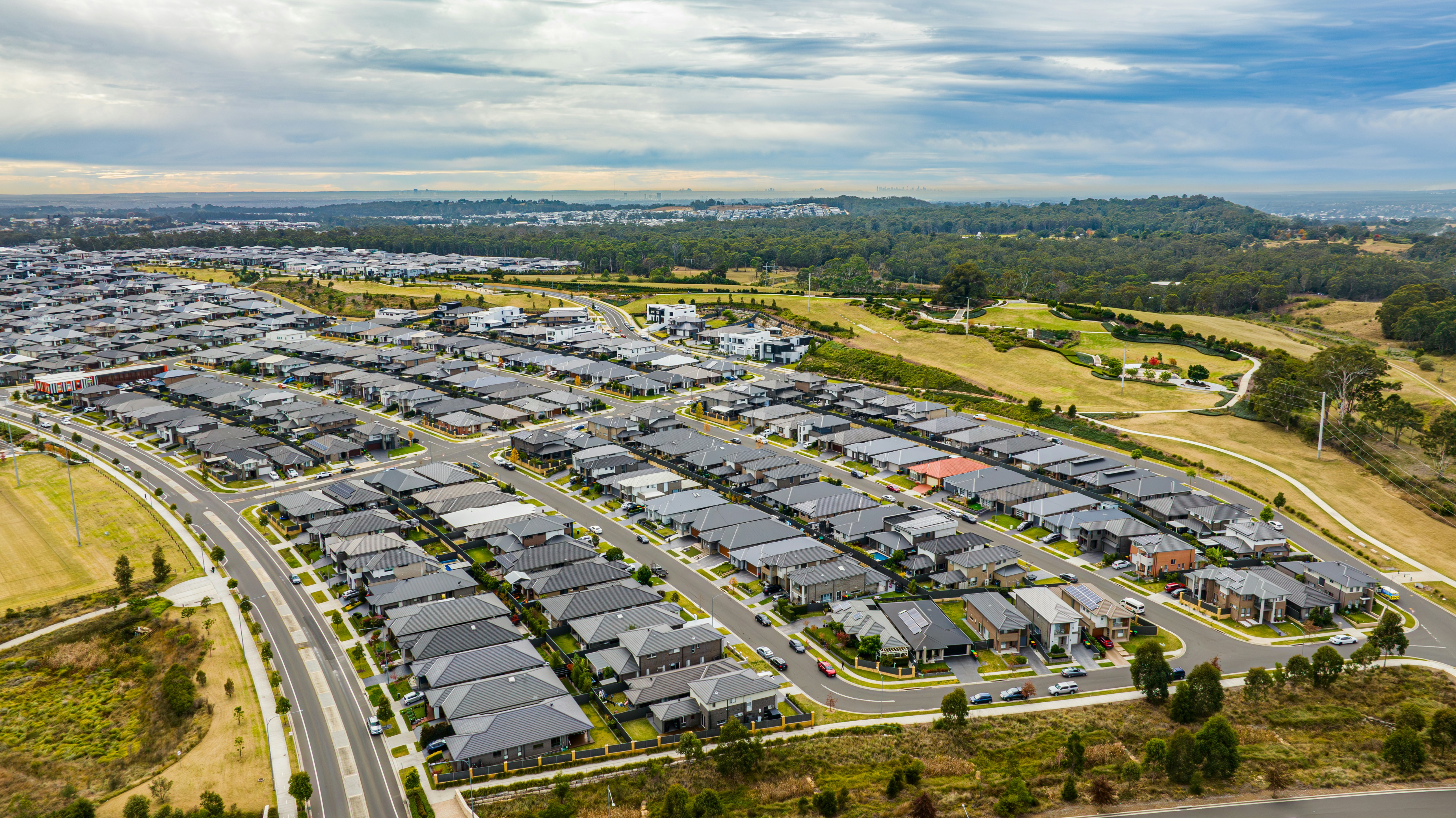
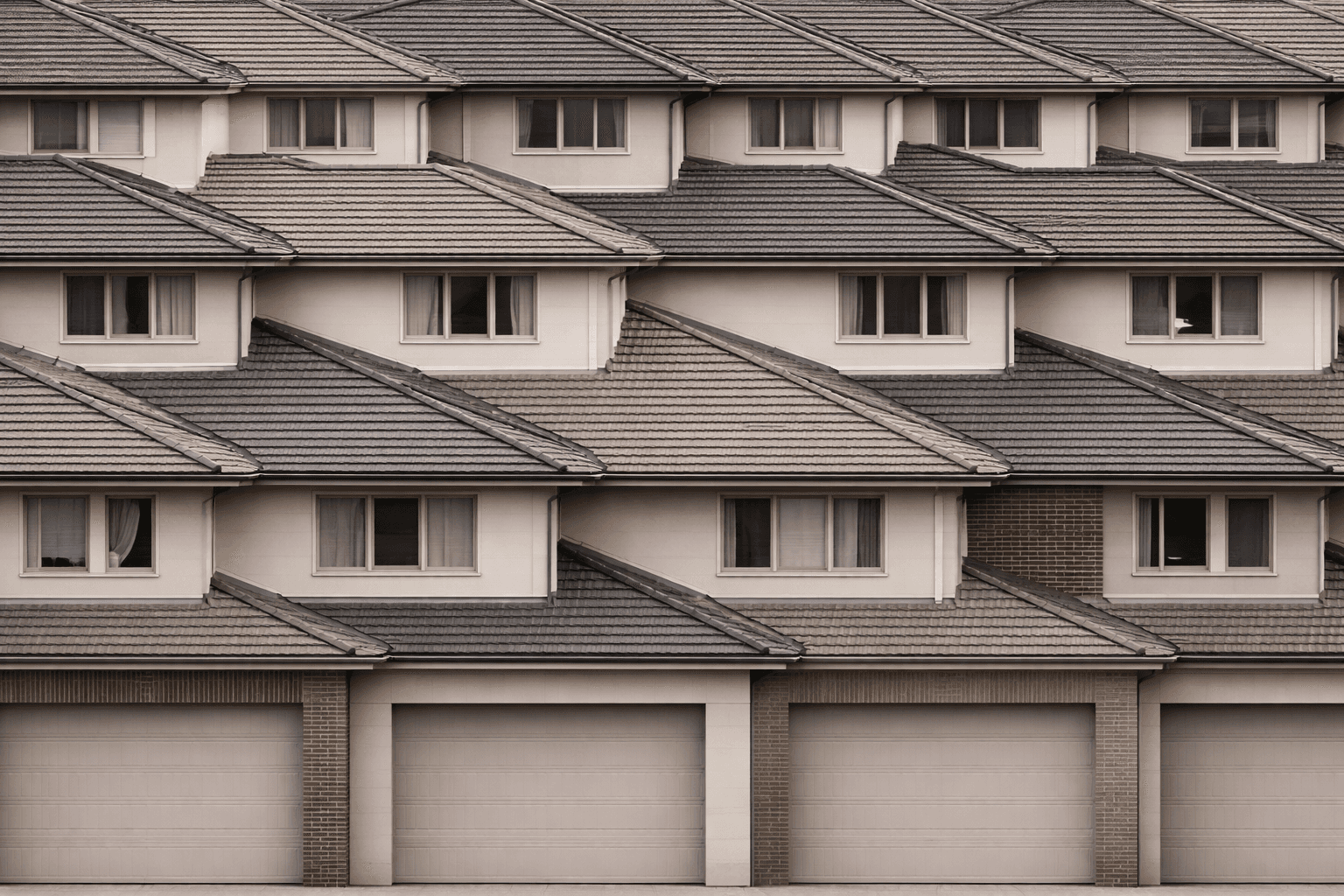
It becomes difficult to understand what a wall is when its thickness is determined long before an architect draws it. In much contemporary housing, particularly within the proliferation of modular and prefabricated construction, the wall is no longer conceived as an architectural element in any meaningful sense. It is instead a negotiated outcome, shaped upstream by financial parameters, procurement pathways, transport constraints, and construction logistics. The wall becomes a line on a page where architectural intention encounters economic authority.
A wall’s thickness, its layers, and its capacity to mediate climate or hold meaning are increasingly shaped by pressures external to dwelling itself. Materials are selected for speed, assemblies chosen for repeatability, and tolerances calibrated to suit funding bodies and supply chains. The wall becomes thin not because architecture demands it, but because the systems that fund and deliver housing have learned to value thinness.
This narrowing of architectural possibility is rarely acknowledged. It appears incrementally. Lightweight framing is favoured. Cavities are compressed to maximise floor area, often constrained further in modular systems by transport dimensions. Mass is removed to reduce cost. These decisions accumulate, producing a built environment in which walls do little more than satisfy minimum requirements for separation. Their ability to hold light, temper sound, stabilise temperature, or support memory is diminished in the pursuit of predictability.
Thinness becomes a condition of compliance. A compliant wall is one that fits the timeline, the budget, the module, the productivity target. It behaves predictably within systems optimised for speed. But such walls struggle to support the quieter demands of dwelling: privacy, retreat, buffering between self and world. The wall becomes a surface rather than a mediator.
This condition is not produced by architects or builders alone. It is shaped by actors who operate at a greater distance from the lived realities of housing: developers, financiers, insurers, procurement frameworks, and risk managers. Their tools are spreadsheets, programmes, and return-on-investment calculations. The wall appears not as a spatial threshold, but as a cost centre. Every millimetre is subject to optimisation.
When a worldview prioritising speed and predictability directs housing production, architecture inherits that logic. Design decisions become bounded by what systems reward rather than by spatial or cultural need. The contemporary dominance of finance-driven development accelerates this tendency. Questions of thickness become questions of merit, and merit is increasingly defined through efficiency alone.
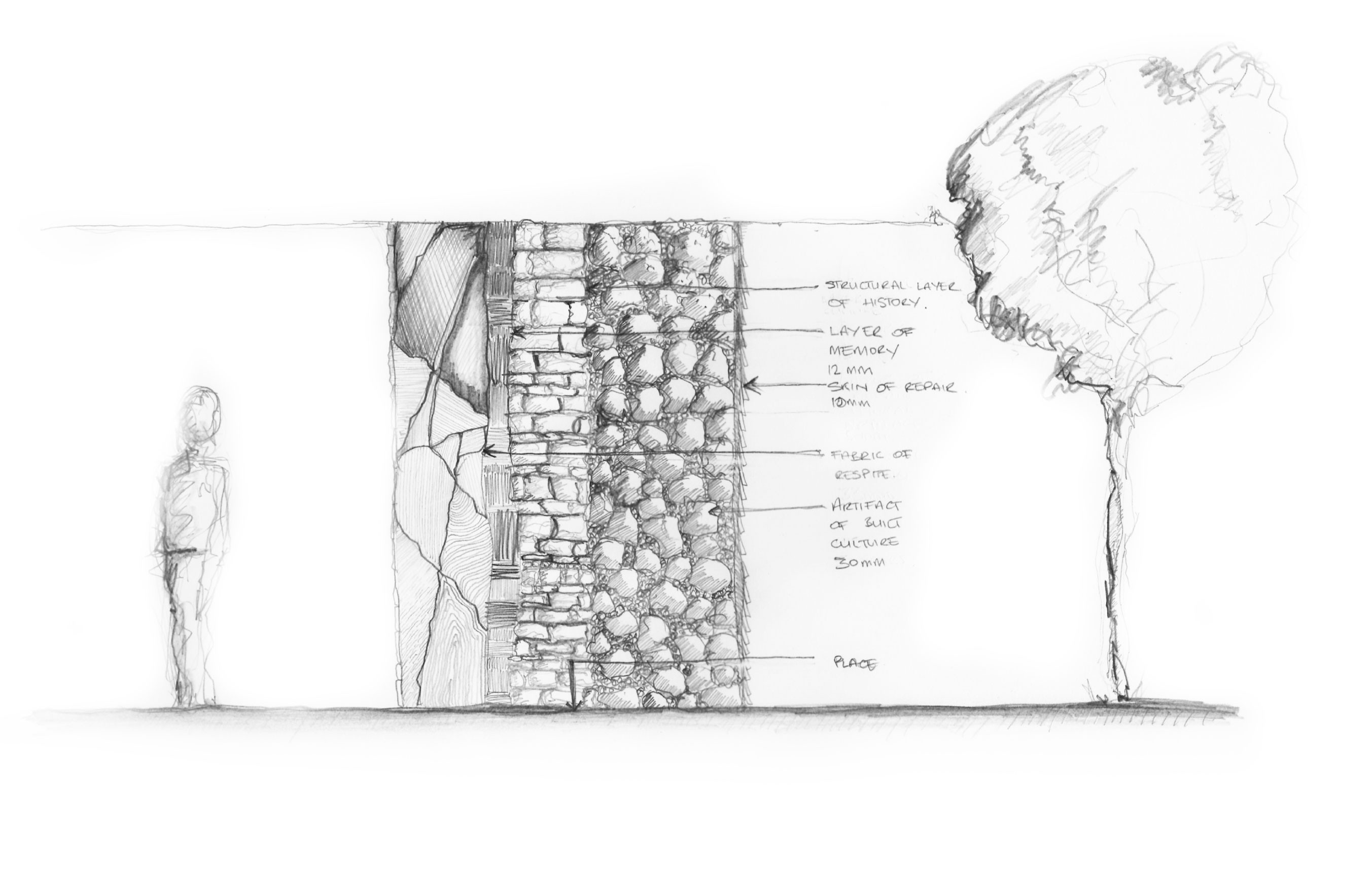
Walls, however, have never carried only structural or economic weight. They are cultural objects, thresholds between worlds. Across architectural traditions, walls have operated as climatic devices, surfaces of craft, and repositories of knowledge. Brick bonds, rammed earth layers, joinery lines, woven screens, each embed an understanding of land, labour, and adaptation. These walls are thick not simply because they are heavy, but because they hold accumulated intelligence. They are thick because life is thick (see Figure 1).
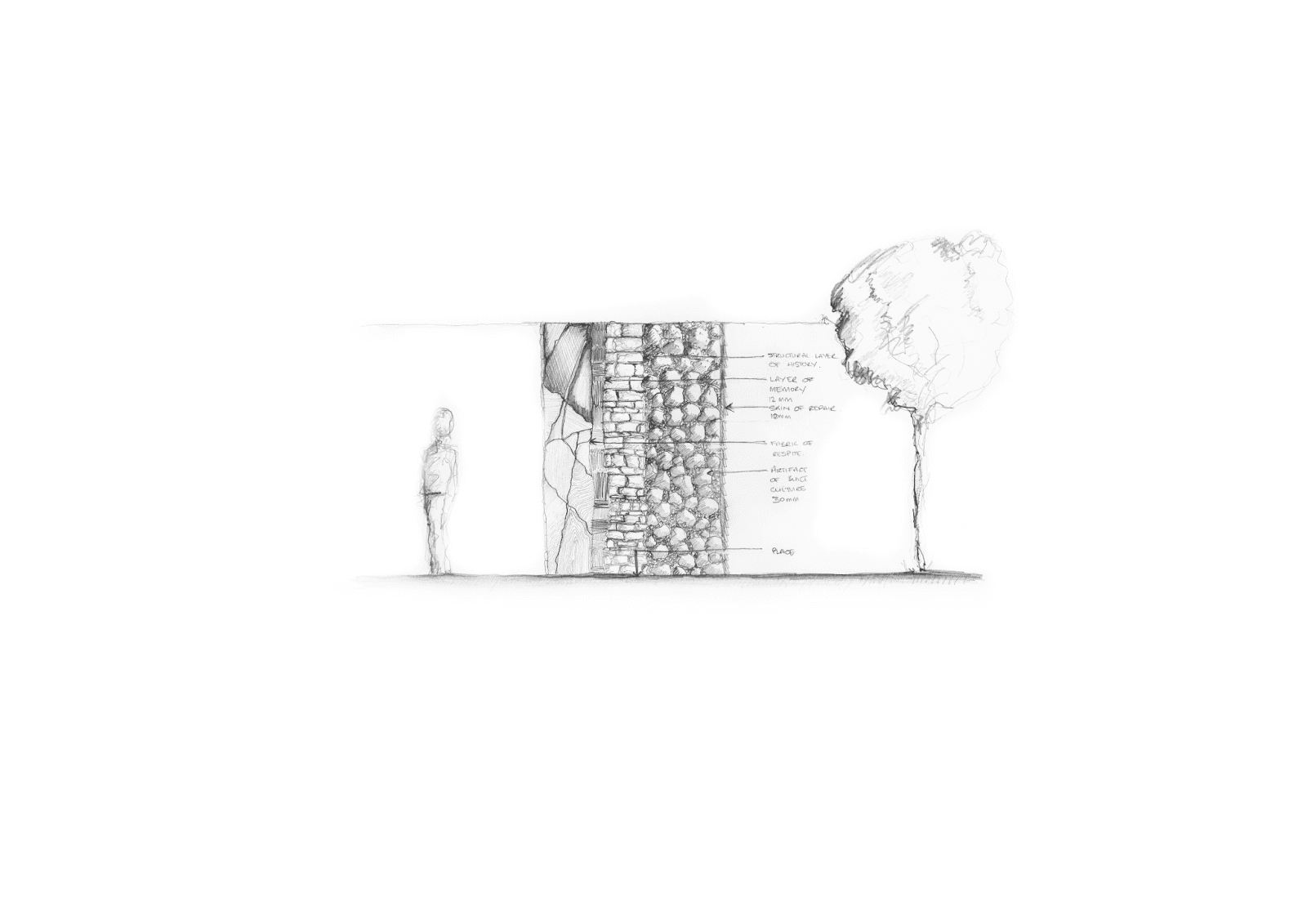
Figure 1.
Non-Performative Wall Section Hand drawing by Chris Miller, 2026.
Within modular and prefabricated systems, the wall is often treated as a technical problem to be solved once and repeated. Yet modularity does not require thinness. It requires discernment. A wall can arrive as a panel and still possess depth. It can be conceived as an assembly of layers that perform differently across seasons and sites. Repetition need not erase variation, nor conceal traces of making.
The challenge is not technical but philosophical. What qualities should a wall hold in an era shaped by speed and efficiency. How might walls resist reduction while operating within constraint. Which forms of thickness matter most: material, thermal, acoustic, cultural. Thickness, in this sense, is not mass. It is capacity. A thick wall does more than divide. It supports dwelling by mediating forces that are difficult to quantify: climatic, social, acoustic, emotional.
In Queensland, the verandah offers a different reading of what a wall can be. Despite its apparent lightness, it is among the thickest walls in the Australian domestic tradition. It is a wall displaced outward, transformed into a space of shade, screens, and circulating air. A verandah does not simply separate inside from outside. It negotiates them. It filters light, slows wind, frames weather, and absorbs seasonal duration. It operates as a lived threshold rather than a barrier.
These timber verandahs make clear that walls are not only constructed, they are inhabited. They collect the traces of daily life: objects left under shelter, bodies resting through heat, the movement of air through louvres during a storm. They are thick not in material mass, but in atmospheric capacity. Their value lies in their ability to mediate and transition, to hold the in-between. They make dwelling gradual rather than immediate (see Figure 2).
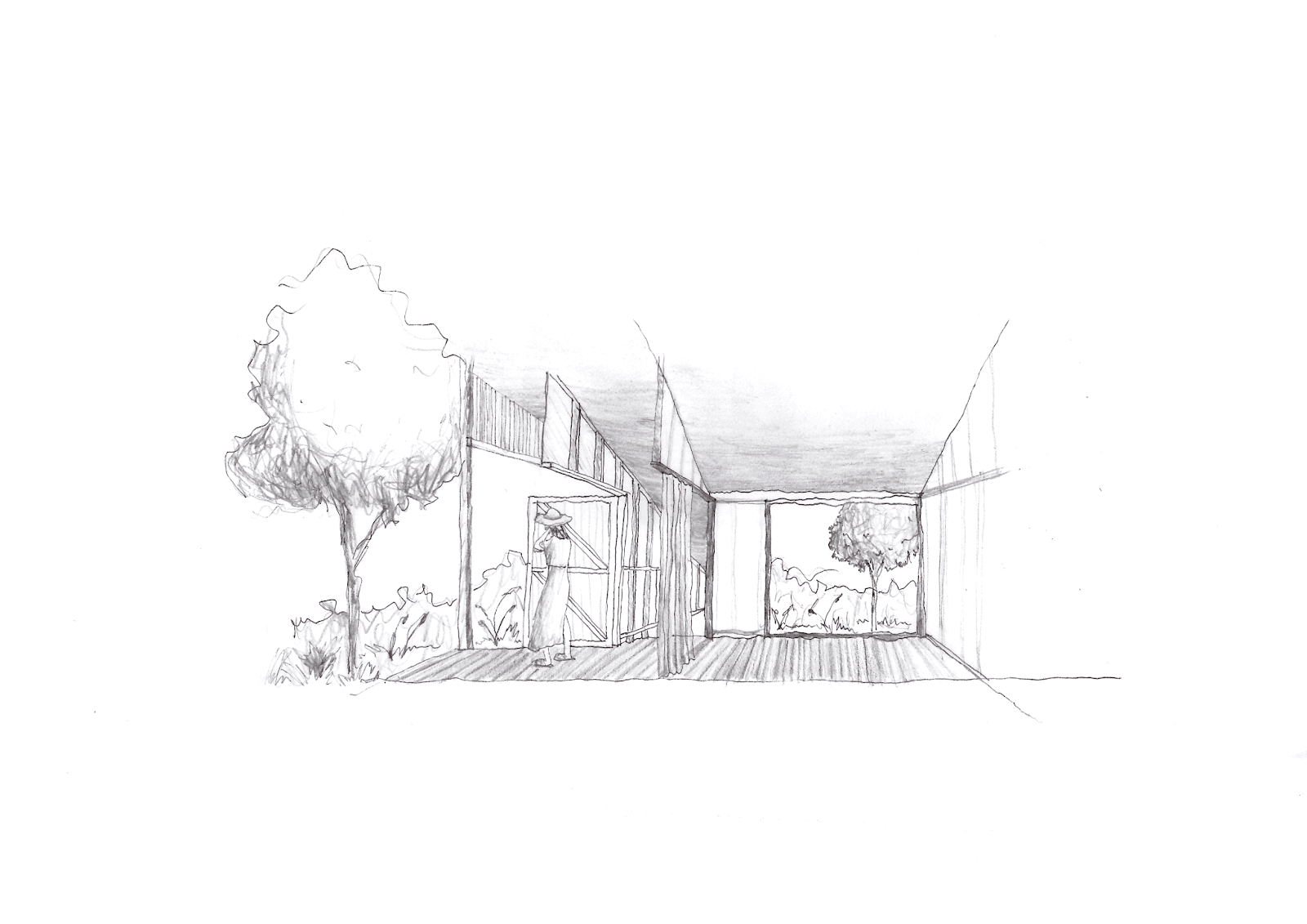
Figure 2.
Verandah, The Holding of Life Hand drawing by Lisa Miller, 2026.
This condition of between-ness mirrors lived experience more broadly. We move continually between exposure and protection, openness and retreat. The verandah shelters without enclosing, invites openness without relinquishing refuge. It suggests that the generosity of a wall lies not only in its construction, but in its willingness to hold shifting conditions over time.
When economic systems dictate the permissible depth of a wall, they also shape the depth of experience that wall can support. Architecture need not deny efficiency or the realities of contemporary construction. But it can resist the assumption that the thinnest solution is the most rational. Rationality in architecture must extend beyond cost to include comfort, adaptability, repair, and duration.
A wall can divide, or it can mediate. The difference lies not in thickness alone, but in the capacity it is allowed to hold.