Housing
The House That Could be Anywhere - Part I
Part I — Blind to the Land
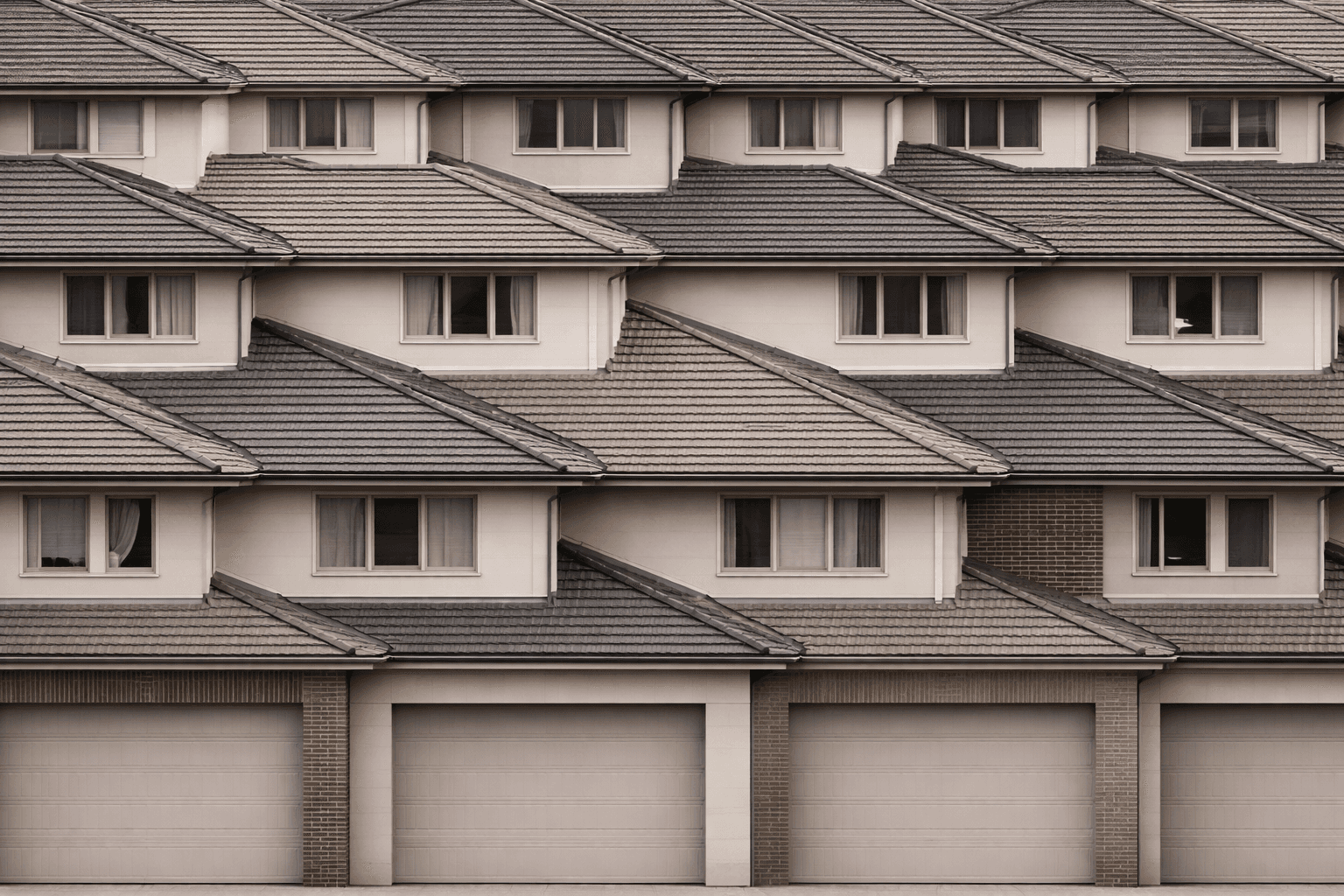
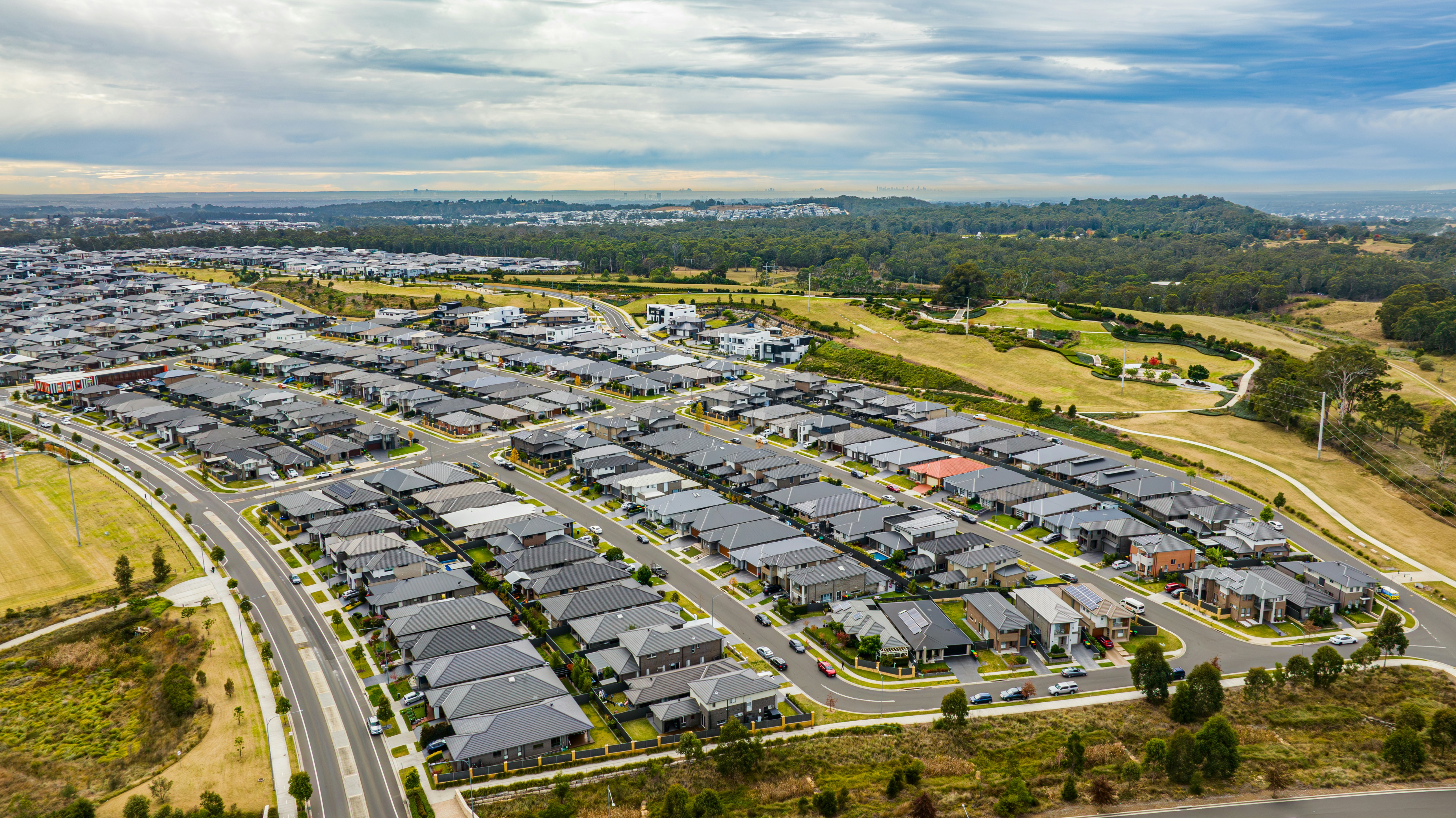
Walk down almost any new suburban street and you'll notice something odd. Every house looks like it's been copied and pasted: double garage facing the road, rendered letterbox, pitched roof, open-plan box behind the facade. It's a style designed to be recognisable and easy to sell. But if you look more carefully, you'll notice something missing. None of these houses seem to know where they are.
Most project homes are designed as if the land beneath them is irrelevant. The same plan is dropped on a flat estate in Melbourne's western fringe, a coastal block on the Gold Coast, or a bushy site in the Toowoomba hinterland. Orientation, slope, prevailing breeze, natural drainage, views — all treated as secondary to the plan that was drawn somewhere else for someone else.
In a subtropical climate, this is not merely an aesthetic failure. It is a practical one.
Orientation determines whether a house is comfortable or expensive to run. A living room facing west bakes in afternoon heat for nine months of the year. A bedroom that misses the morning sun is cold in winter and relies on artificial light. These are not luxury concerns — they are the difference between a house that works with its climate and one that fights it daily.
Breezes matter in the same way. In southeast Queensland and northern New South Wales, prevailing winds offer free ventilation for much of the year. But standard plans rarely consider this. Windows are positioned for symmetry on a page rather than cross-ventilation. Facades are sealed with garages and blank walls. The house shuts out the conditions that could make it comfortable.
Slope is erased rather than embraced. Most project homes assume flat ground, so sloping sites are cut and filled — land shaved level with retaining walls and concrete. It is costly, wasteful, and often destroys the natural character of the block. A house that steps with the land, by contrast, can generate spatial richness, preserve drainage and trees, and feel genuinely of its place rather than merely placed upon it.
These are not expensive interventions. Positioning a living room to catch morning light costs the same as positioning it to miss it. The difference is attention — and the willingness to let the site shape the plan rather than the other way around.
A house that ignores its land will shelter you. But it won't quite feel like home.