Housing
The House That Could Be Anywhere - Part II
Part 2
Deaf to Its People
When you walk through a display home, it’s easy to be seduced by the surface. The polished stone benchtop, the staged cushions, the wide hallway that makes a grand first impression. But if you pause and imagine living in the space, the cracks begin to show.
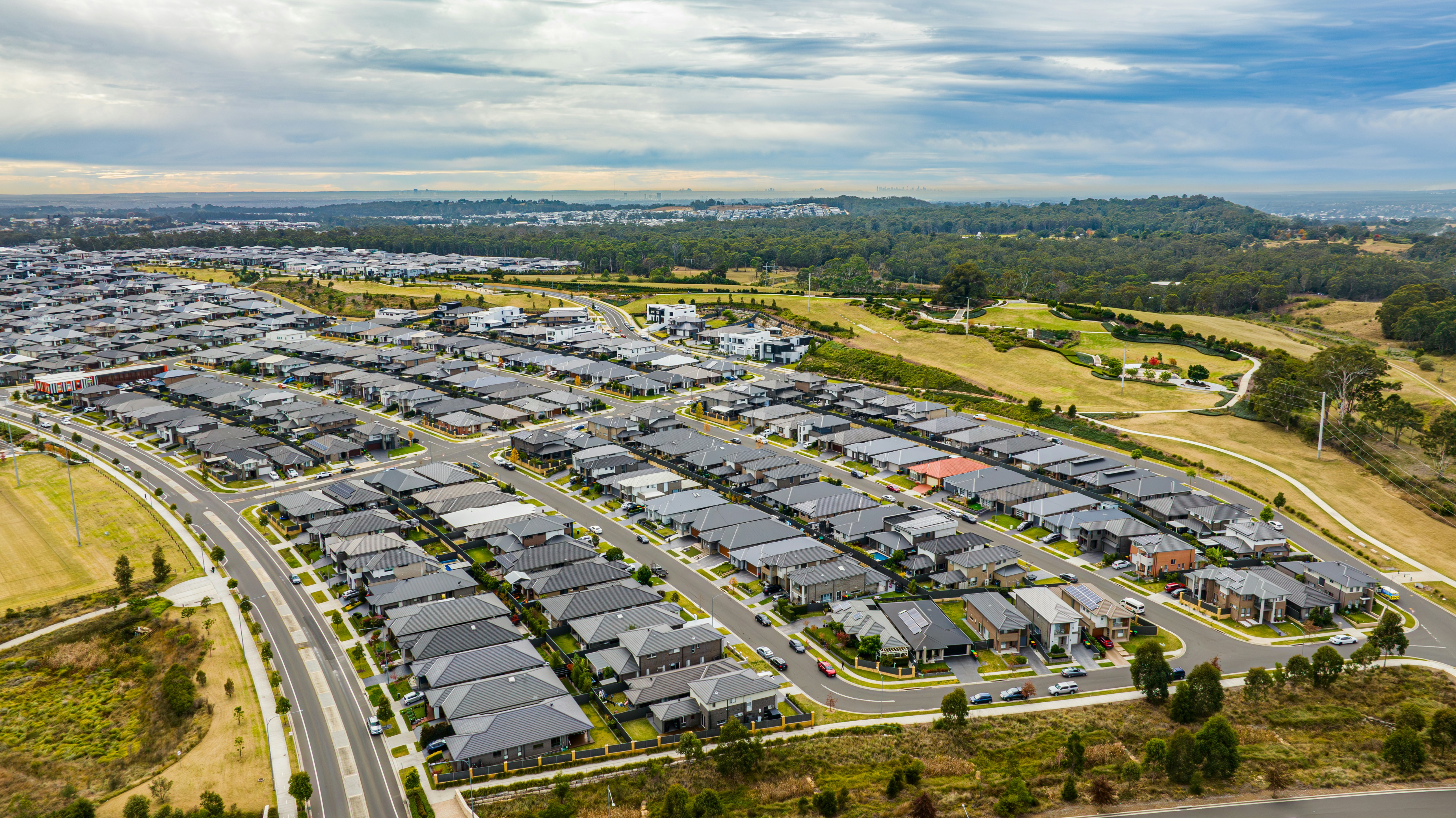
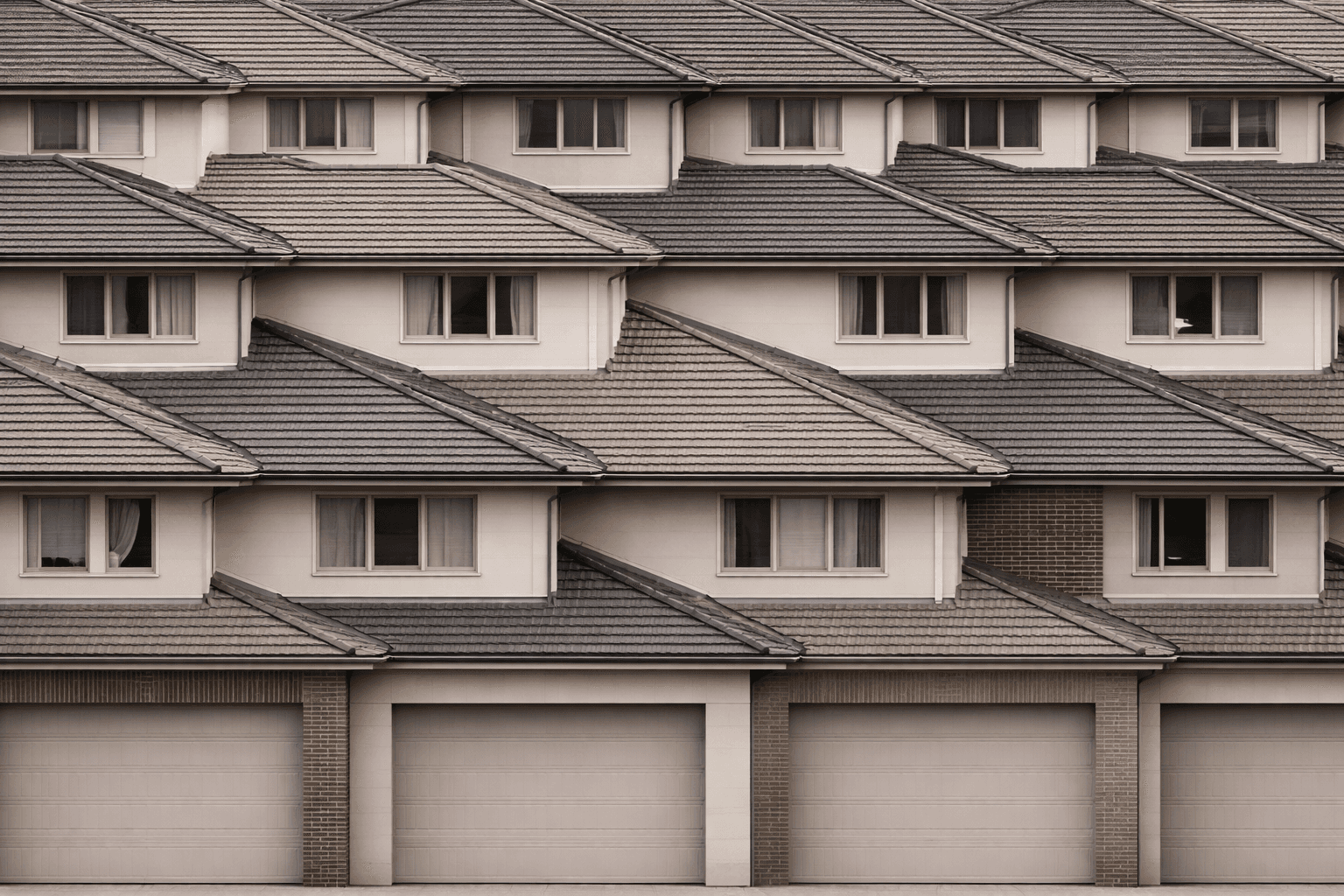
That’s because most standard homes aren’t designed for real families. They’re designed for an imaginary one. A checklist family: two parents, two kids, two cars. The result is a plan that looks good on paper, ticks the marketing boxes, but doesn’t actually listen to how people live.
A Checklist of Rooms
Project homes often start with the list: four bedrooms, two bathrooms, open-plan living, media room, double garage. The layout is shuffled and stretched until the marketing sheet feels complete. But a home is not a checklist.
What’s missing is a sense of connection. Bedrooms are oversized but isolated, separated by long corridors. Living rooms are vast but disconnected from gardens. Kitchens are placed at the back, cut off from light. The house becomes a set of rooms, not a place for life to unfold.
One Life Fits All
The “standard family” is a myth. Some families are multi-generational, with grandparents living alongside parents and kids. Others have teenagers who need independence. Some households work from home, run small businesses, or host friends and relatives regularly.
Standard homes rarely adapt to this. The same plan is sold to everyone, regardless of lifestyle. Which means the house often fails almost immediately. A guest room that’s never used. A garage too small for storage and hobbies. A home office squeezed into a corner.
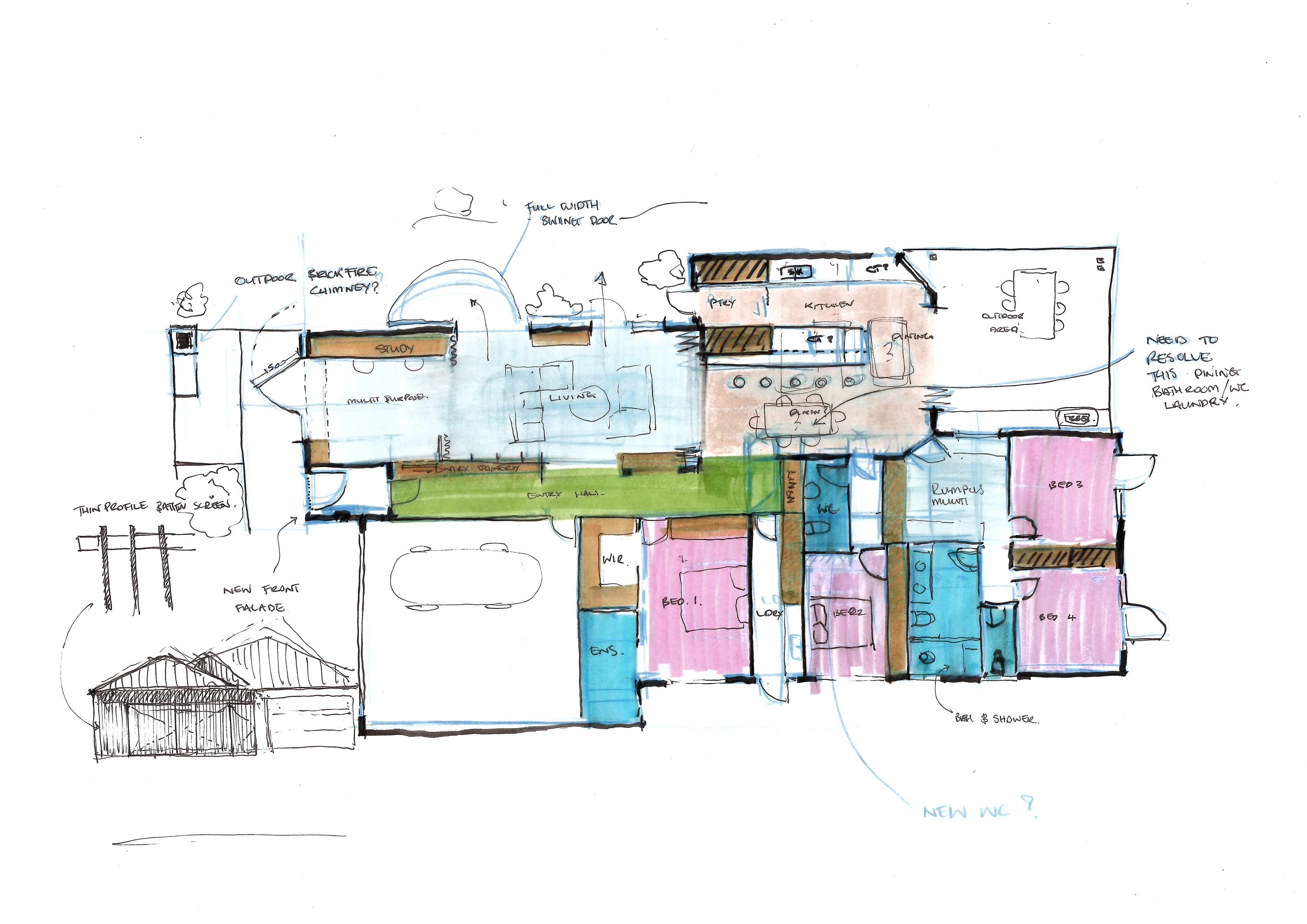
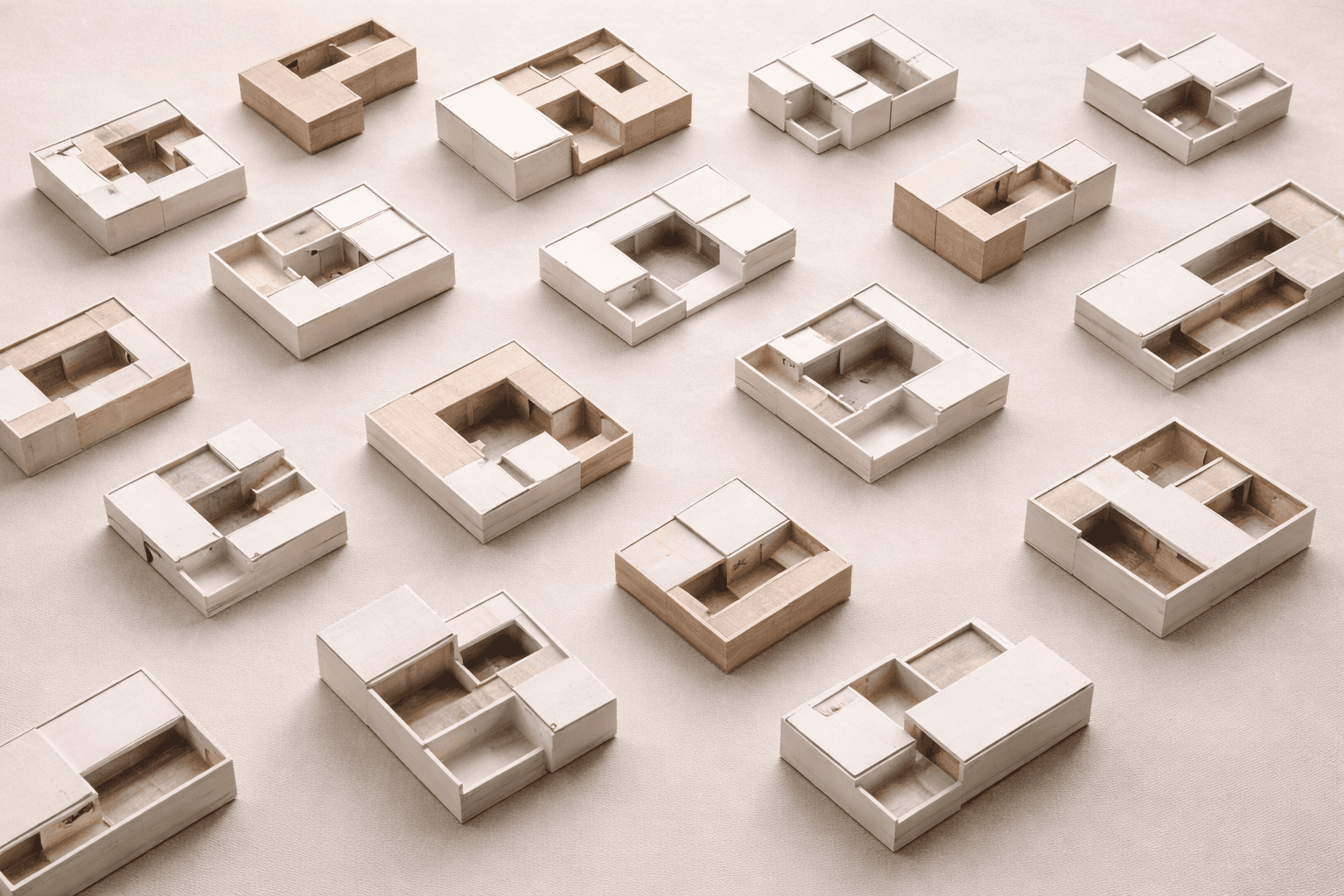
An architect, by contrast, begins with people. How do you cook? Do you gather at the dining table or on the deck? Do you need quiet spaces for study, or open areas for play? These questions shape the plan in ways no checklist can.
The Spaces Between
Equally important are the spaces between rooms. Corridors, thresholds, transitions — these are often neglected in standard houses, where every square metre must be “saleable.”
But the in-between is where life often happens. A window seat at the end of a hall becomes a reading nook. A wide threshold between kitchen and courtyard becomes the spot for morning coffee. A veranda becomes both an entry and a social space, blurring indoors and out.
These gestures don’t take more space. They take more thought. And they make the difference between a house that feels empty, and a home that feels alive.
Listening to the Everyday
Architecture is not just about grand gestures; it’s about listening to the everyday. The way a parent keeps an eye on kids in the yard while cooking. The way light moves across a living room during the day. The way shoes are taken off at the door, or bikes are leaned against a wall.
These details rarely make it into a standard plan. But they shape comfort and belonging. When ignored, the house feels deaf to its people. When embraced, it becomes an extension of life.
A House That Hears You
A house designed with listening at its heart doesn’t need to be large or extravagant. It needs to be tuned — to your rhythms, your routines, your ways of living together.
This is what architects mean when they talk about “designing for people.” It’s not abstract. It’s practical, intimate, and human.
Because in the end, a house that could be anywhere, is really a house that is for no one. A true home must be somewhere specific: in your land, in your life, in your future.