Housing
The House That Could be Anywhere - Part III
Part III — Silent About Tomorrow
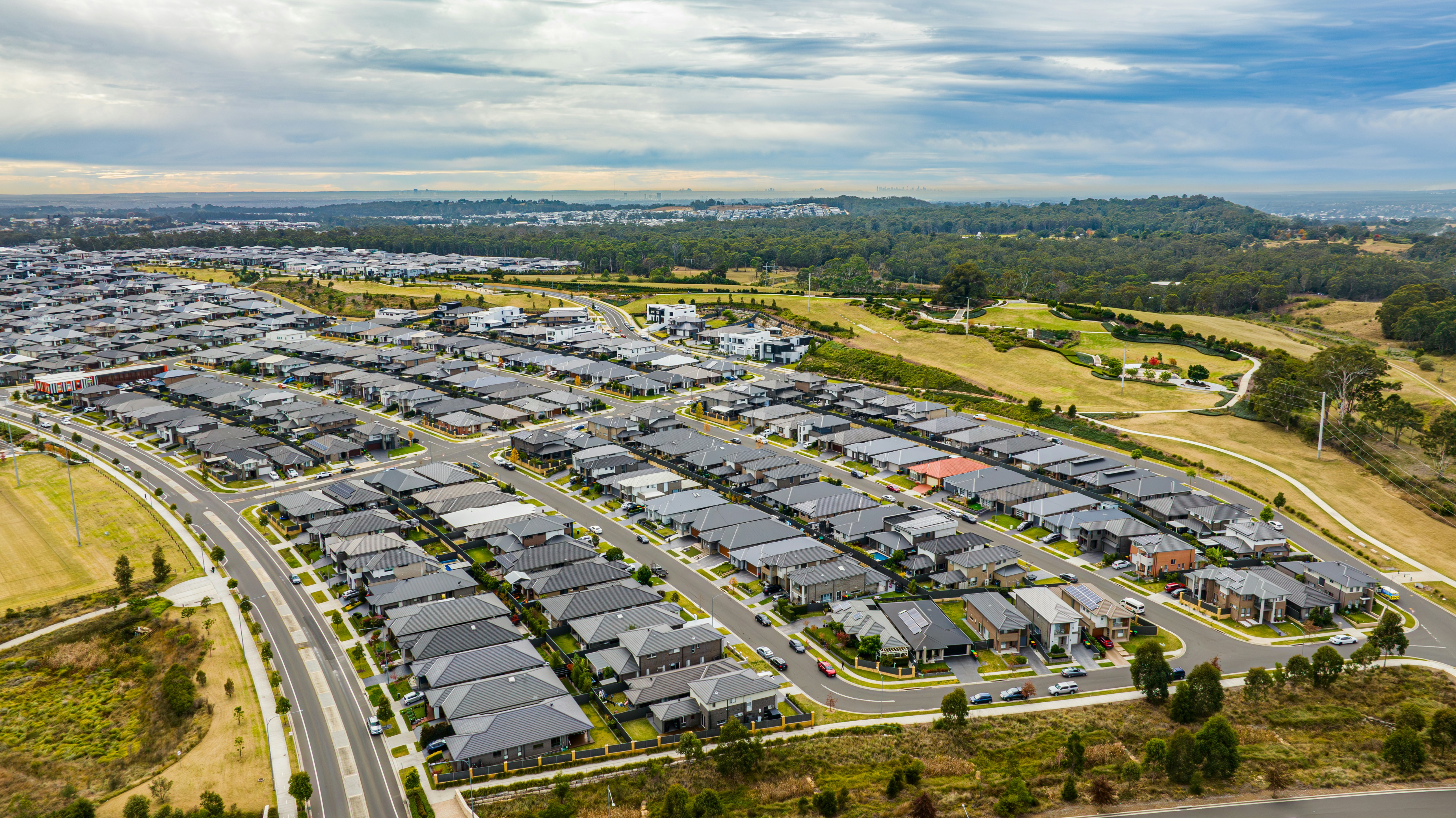
Most houses are built for the sale, not for the decade that follows. Walk through a new estate five years after completion and you'll see the evidence: claddings fading, details failing, surfaces that looked sharp at handover now carrying the wear of ordinary life less gracefully than they should.
This is what it means for a house to be silent about tomorrow. Designed for the moment of purchase, optimised for the marketing photograph, it has little to say about what comes next.
The material choices tell part of the story. To hit price points, many project homes rely on a palette of finishes that perform well in the short term: thin plasterboard, lightweight claddings, surfaces that mimic weight and texture without possessing either. These materials are not dishonest exactly, but they are fragile. A decade of Queensland weather tests them in ways the display home never did.
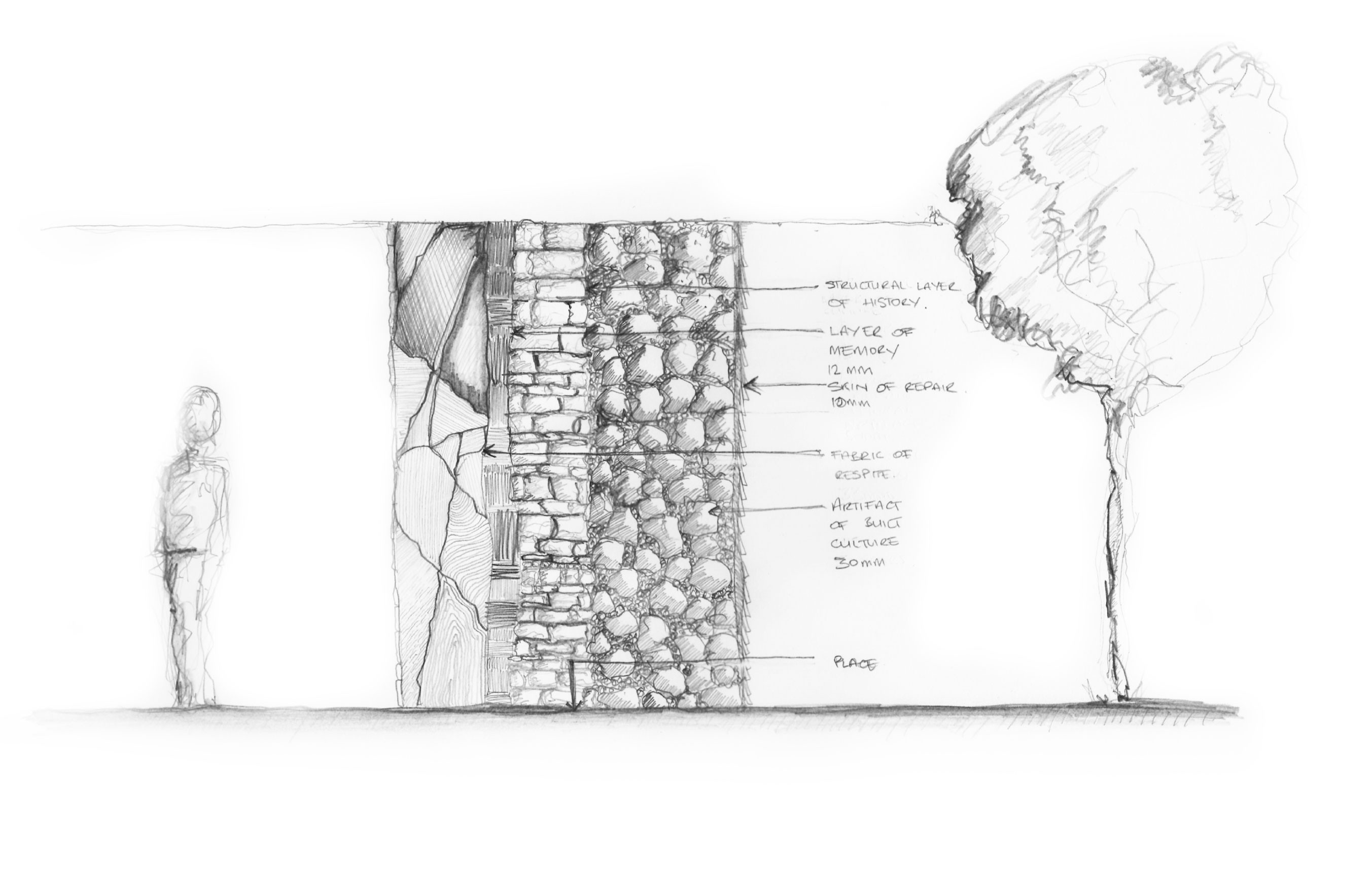
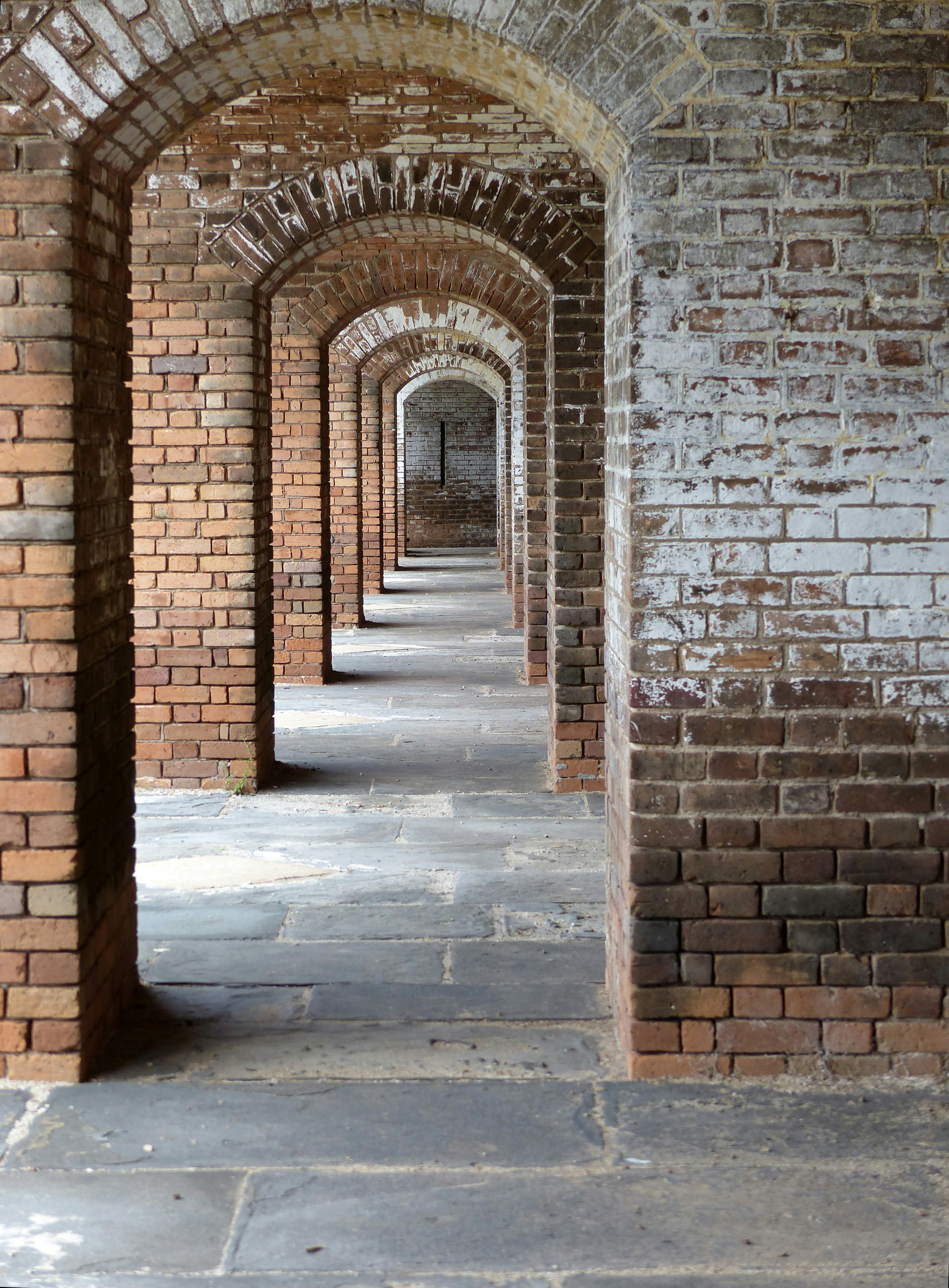
The alternative is not expensive — it is honest. Timber, brick, and concrete don't resist age; they accommodate it. They develop patina rather than showing wear. A hardwood door handle shows use in a way that deepens with time. A brick wall weathers rather than deteriorates. Longevity is not about being pristine forever. It is about the capacity to age with some dignity.
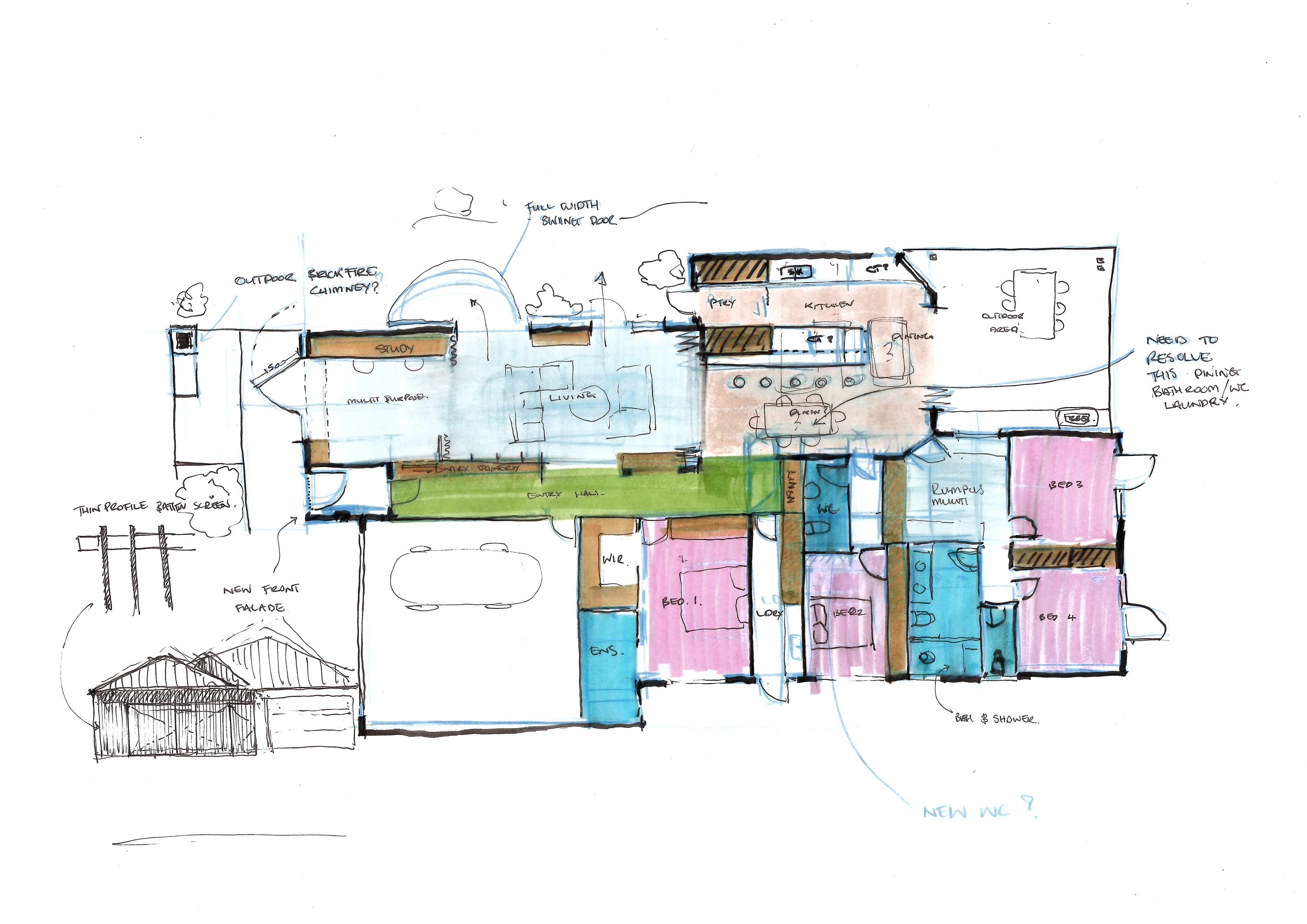
The plan itself is often equally rigid. Standard homes are designed around a fixed idea of household: parents, young children, a study, a double garage. But families don't stay still. Children grow up and stay longer than expected. Parents begin working from home. An elderly relative needs to move in. Standard plans have no response to this. The rooms are sized and positioned for one kind of life, and adapting them requires expensive intervention or resignation.
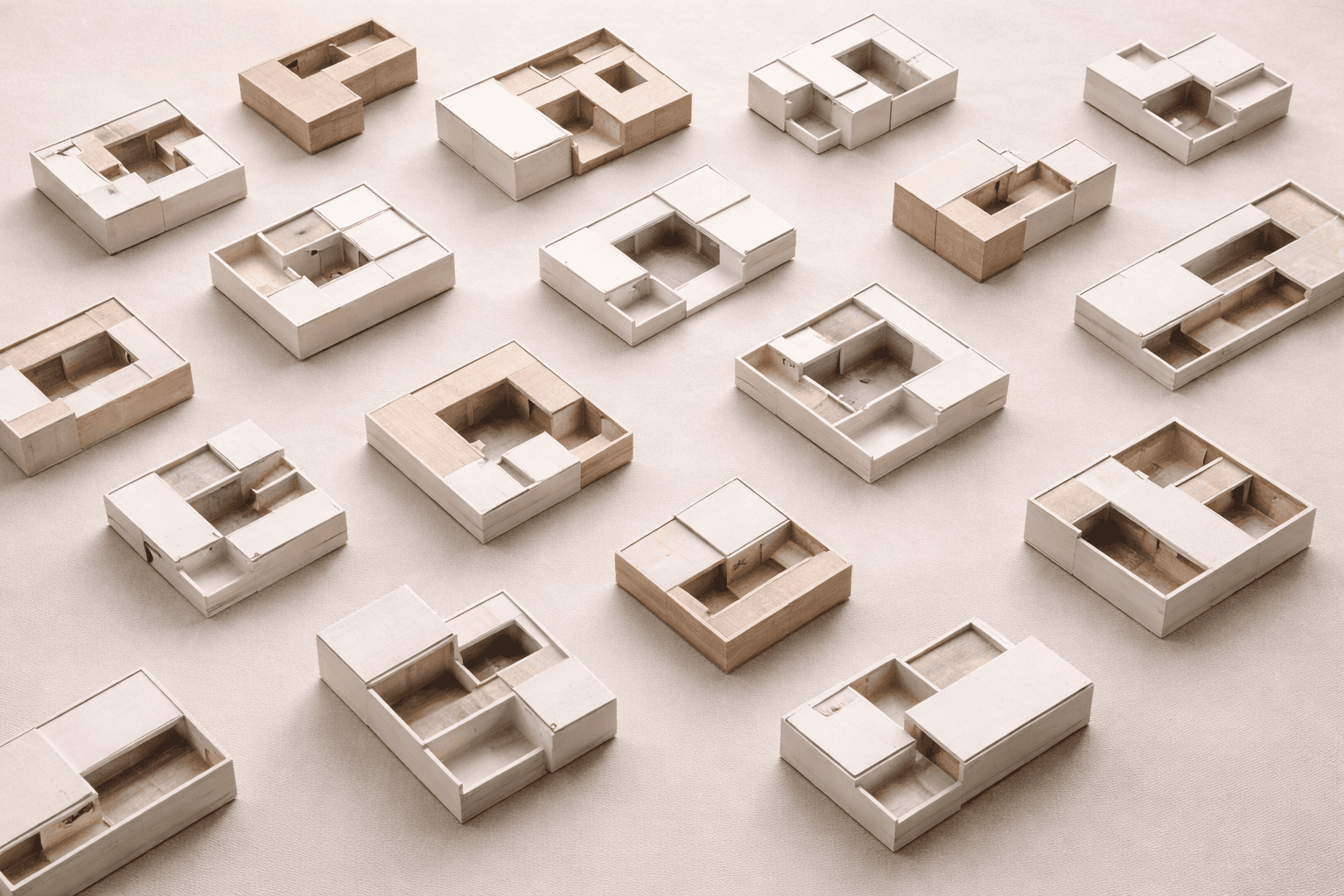
A house that thinks about tomorrow leaves room for change. Not through gimmicks or elaborate flexibility systems, but through basic spatial generosity: a room that can serve multiple purposes, a structure that can be extended, a courtyard that can absorb an addition without sacrificing light. These qualities are the result of foresight, not cost.
Energy is the third silence. Built with little regard for orientation, insulation, or ventilation, most standard homes lock their owners into running costs that compound across decades. Air-conditioning becomes non-negotiable. The house is sealed against the climate rather than working with it.
The decisions that reduce running costs are not complicated: windows positioned for winter sun, openings aligned with prevailing breezes, materials that buffer temperature rather than transmit it. These choices cost little more at the time of construction and pay back continuously.
A house that can't speak about tomorrow isn't necessarily a bad house. But it places its burdens on the future rather than carrying them itself — in maintenance costs, adaptation costs, running costs, and eventually in the cost of replacement.
The quietest houses are often the ones built to last.